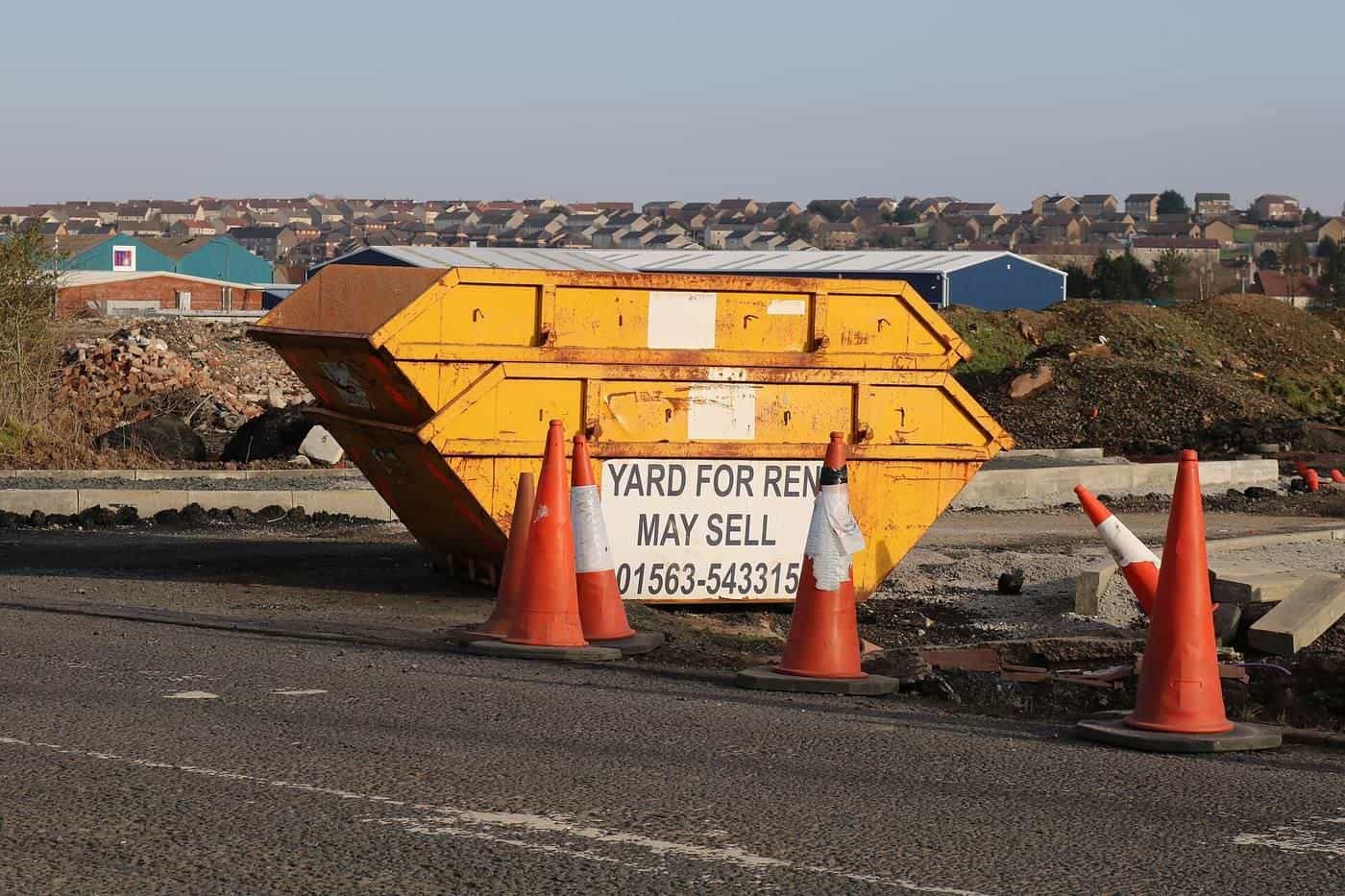
Hiring a skip involves more decisions than most people expect. You need to choose a size, usually quoted in cubic metres; a type, such as a mini skip, marrel skip, hook-lift bin or walk-in skip; and sometimes whether a skip bag would do the job instead. Each choice depends on how much waste you have, what it is, where the skip will go and how you'll load it. This section walks you through those decisions in plain English, without a sales pitch.
Guides in this section
- Skip bin sizes explained: what cubic metres mean, why shape matters, weight limits and the level-fill rule.
- Types of skip bins: mini, marrel, hook-lift, walk-in, heavy-waste and green-waste skips compared.
- Skip bags vs skip bins: capacity, timing, placement and the waste each suits.
- How to estimate how much waste you have: a step-by-step method with a worked example.
Start by sorting
Before choosing anything, sort your waste. Set aside items you can sell, donate or recycle, and take out anything hazardous, such as paint, chemicals, gas bottles, batteries and asbestos, which don't belong in a general skip. Sorting often shrinks the job considerably and means you hire only for what's left. See reducing and recycling waste.
Then estimate
Once you know what's going, estimate its volume. Measure your pile's length, width and height in metres and multiply them for cubic metres, or work room by room for waste still inside. Then add an allowance for the gaps that loose, bulky items leave. Our skip size estimator does this for you and flags heavy waste. The estimating guide explains the method in detail.
Size: more than a number
Skip sizes are quoted in cubic metres, the volume when filled level with the top. But two skips with the same rating can be different shapes, and the actual dimensions matter for where the skip can go and how easy it is to load. Councils limit skip sizes on the road: City of Sydney's exemption for minor residential works covers skips up to 3.4 metres by 1.7 metres, and Inner West Council sets a maximum of 5 metres by 1.8 metres. Always ask for the length, width and height. See skip bin sizes explained.
Weight: the hidden limit
For light, bulky waste, volume is the limit. For heavy materials such as soil, bricks, concrete and tiles, weight is the limit, and you can reach it with the skip only partly full. Providers often offer smaller heavy-waste skips with fill lines. Tell your provider exactly what you're throwing out. See soil, concrete and heavy waste.
Type: matching the bin to the job
| Situation | Type to ask about |
|---|---|
| Small job or tight space | Mini skip |
| Typical household clean-out or renovation | Marrel skip |
| Big job with plenty of space on site | Hook-lift (roll-on roll-off) bin |
| Heavy or bulky items | Walk-in skip with a door |
| Soil, bricks, concrete, tiles | Heavy-waste skip |
| Garden waste only | Green-waste skip |
| Small, slow, light job | Skip bag |
Our types guide explains each in more detail.
Bin or bag?
Skip bags are tough woven bags you buy, fill at your own pace and have collected by a crane truck. They suit small, light jobs and tight spaces within crane reach. Steel skips suit bigger jobs, heavy waste and bulky items. See skip bags vs skip bins.
Think about loading
How you'll load the skip affects which one to choose. High side walls mean lifting waste above waist height, again and again. Safe Work Australia notes that lifting, pushing and pulling heavy or awkward loads, and repetitive movements, can cause injuries. A walk-in skip with a door, a low mini skip or a skip bag can make loading easier. See loading a skip safely.
Think about placement
Where will the skip go? On your property, it usually needs no permit, but the truck needs access, clearance and firm ground. On the road, council rules apply. Check both before choosing a size and type. See skip bin permits and placing a skip safely.
Questions to ask when you book
- What are the skip's actual dimensions, including height?
- Is there a weight limit or fill line?
- Is there a door for barrow access?
- What's accepted and what's banned?
- How long is the hire period, and can it be extended?
- Will it fit where I want it, and does it need a council permit?
- What does the quote include?
Comparing quotes
We don't quote prices, because they vary by location, provider, size, waste type and hire period. When comparing, look at what's included: delivery and collection, hire period, weight allowance, charges for extra items like mattresses or tyres, and any permit costs. A cheaper quote for a smaller skip may cost more if you need a second one.
When a skip isn't needed
For small amounts of waste, consider council kerbside clean-ups, a trailer trip to the tip or a skip bag instead.
Guides in this section
Choosing a skip
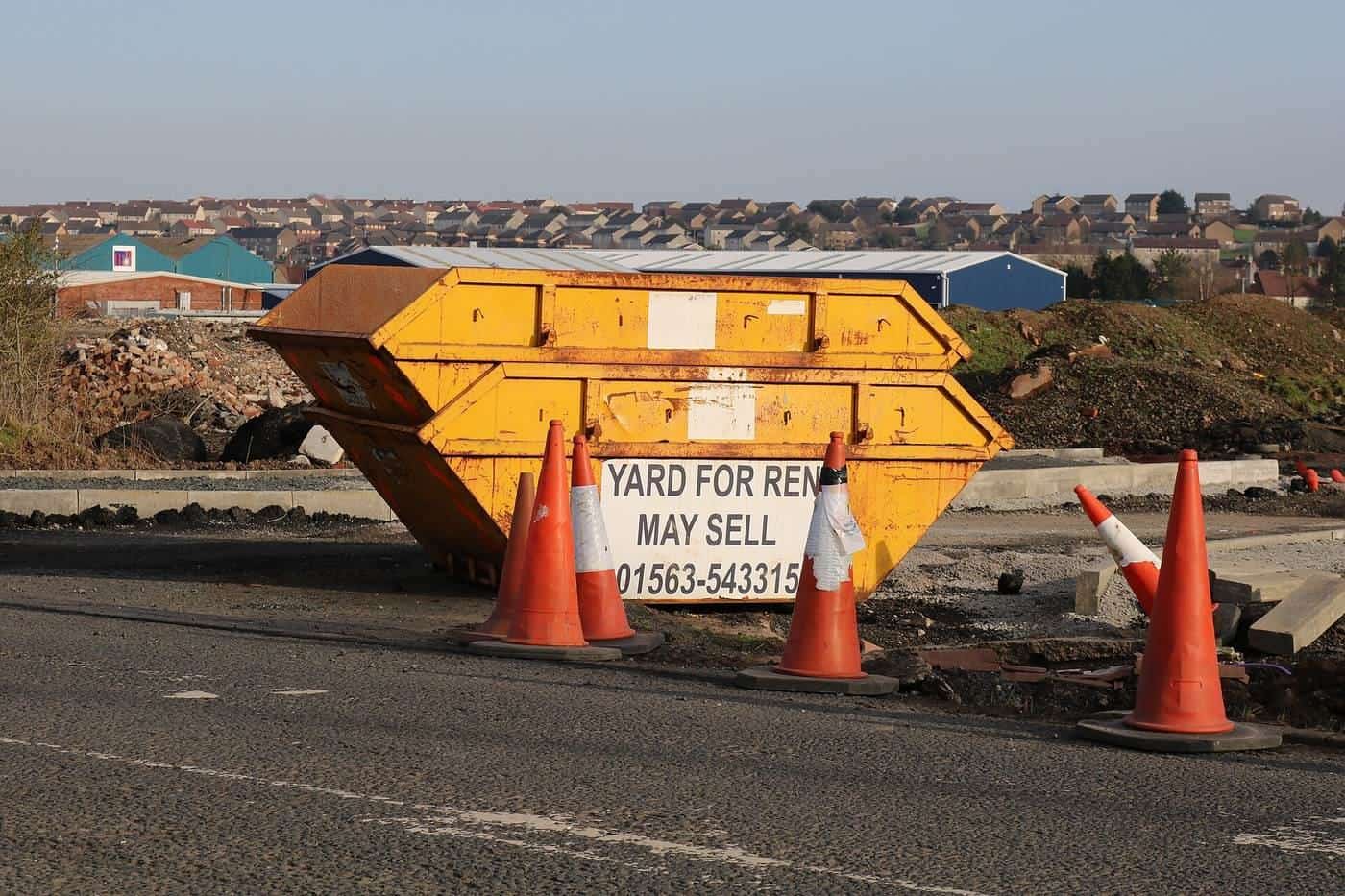
Skip bin sizes explained
How skip bin sizes are measured in cubic metres, what different sizes suit, why weight limits matter and how to avoid hiring too small.
Read · 5 min
Choosing a skip
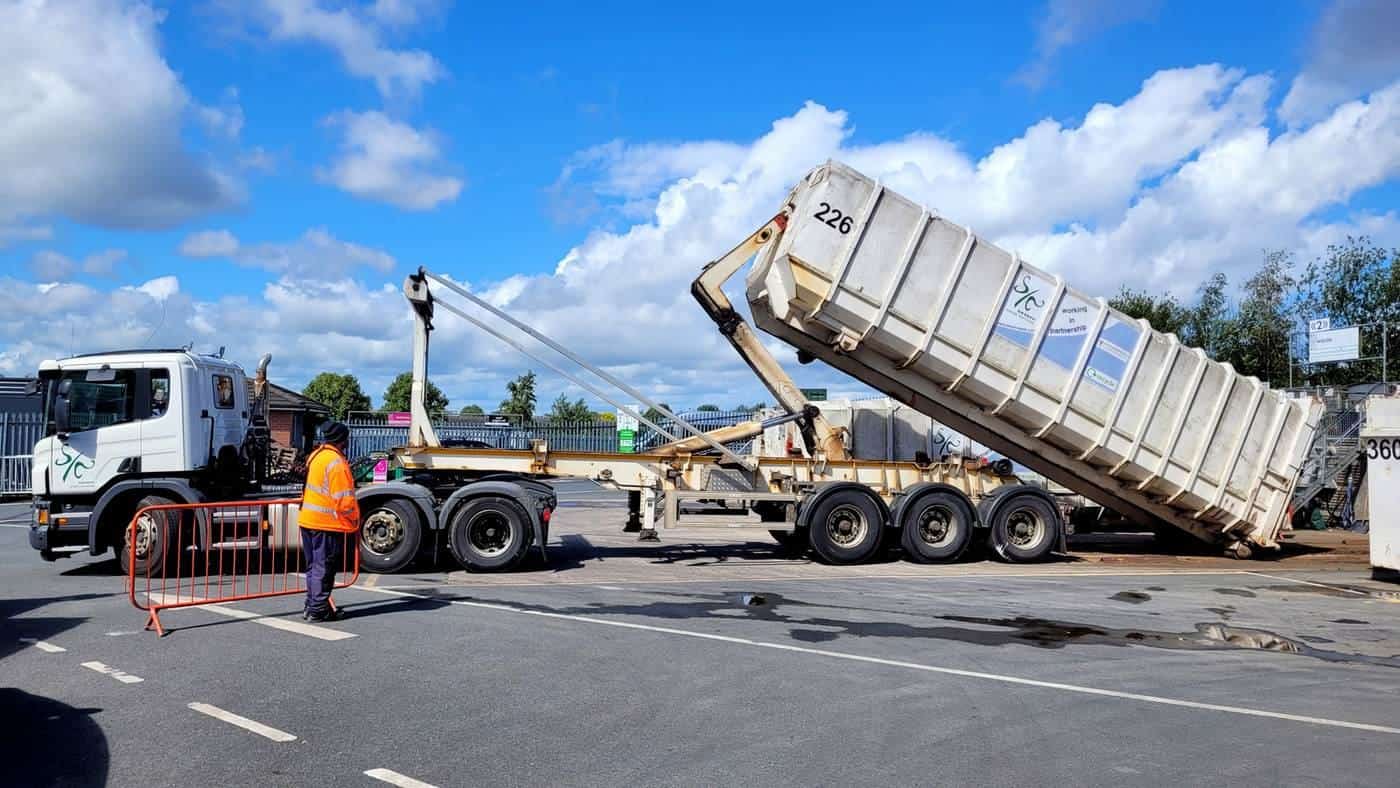
Types of skip bins
The main types of skip bins in Australia: mini skips, marrel skips, hook-lift and roll-on roll-off bins, walk-in bins and heavy-waste skips.
Read · 5 min
Choosing a skip
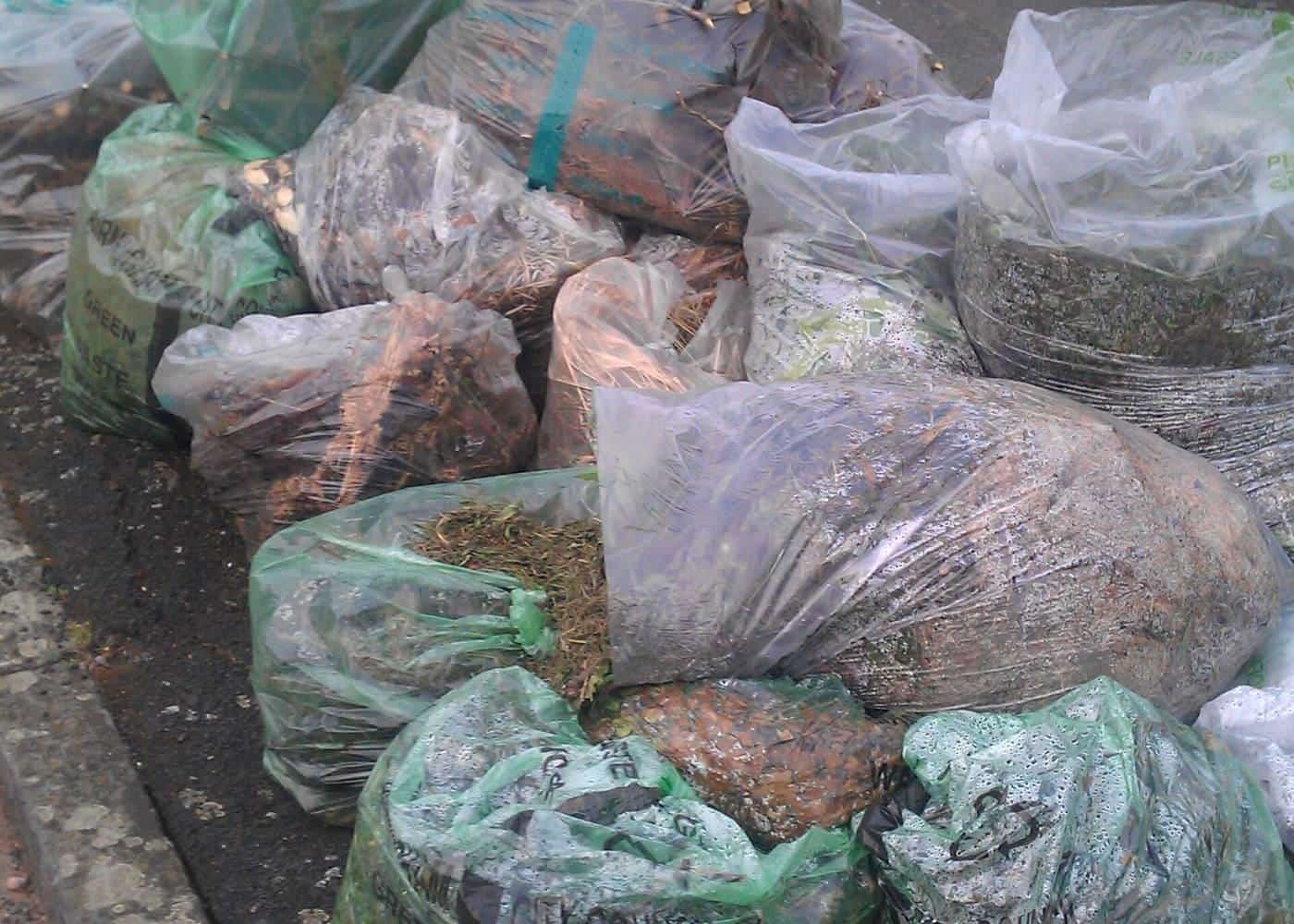
Skip bags vs skip bins
How skip bags compare with steel skip bins on size, flexibility, placement, collection, weight and the kinds of waste each suits best.
Read · 5 min
Choosing a skip
How to estimate how much waste you have
A practical method for estimating your waste in cubic metres before hiring a skip: measure the pile, allow for loose loads and check heavy waste.
Read · 5 min
Frequently asked questions
What size skip do I need?
Estimate your waste in cubic metres by measuring the pile, add an allowance for loose loads, then compare with your provider's sizes. Our estimator does the maths.
What type of skip is best for a renovation?
Often a marrel skip for mixed waste, plus a heavy-waste skip for soil, tiles or concrete. A walk-in skip saves lifting heavy items over the side.
Are skip bags a good alternative?
For small, light jobs, yes. They can be filled at your own pace and collected by a crane truck. Heavy waste and big jobs usually need a steel skip.
Do you recommend skip companies?
No. We don't rank or endorse providers. We explain what to ask so you can compare quotes yourself.
Sources and further reading
Facts on this page were checked against these primary and official sources. Conditions change — confirm before you travel or buy.
- Managing Waste in Public Places – Local Approvals Policy (PDF) — City of Sydney
- Skip bins — Inner West Council
- Lifting, pushing and pulling (manual tasks) — Safe Work Australia