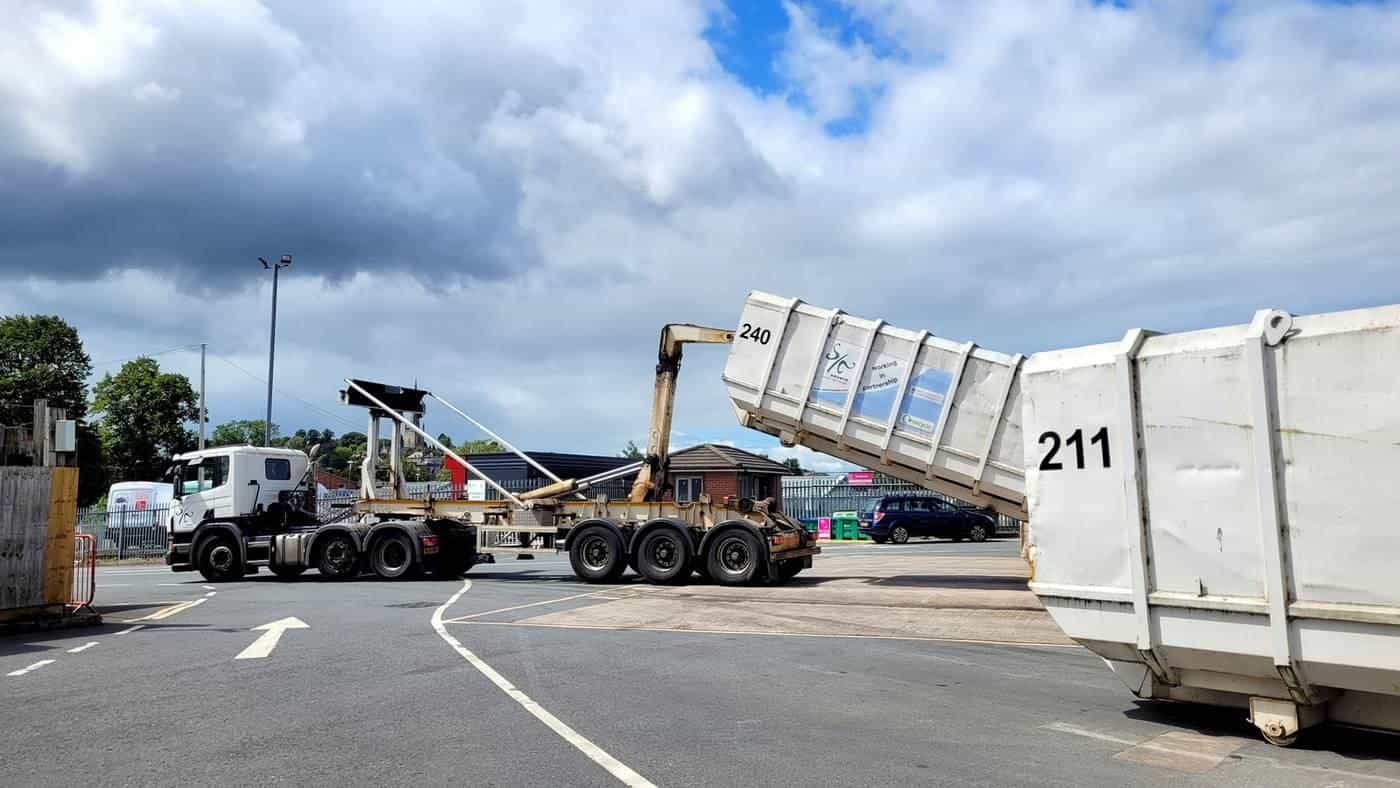
Choosing the right skip is only half the job. It also has to go somewhere sensible, sometimes with council approval, and then you have to fill it without hurting yourself or wasting space. And the best way to make the whole thing easier is to reduce what goes in it in the first place. This section covers the practical side of having a skip at your place.
Guides in this section
- Do you need a permit for a skip bin?: how council rules work, with City of Sydney and Inner West Council examples.
- Placing a skip safely: truck access, overhead clearance, protecting driveways and road placement.
- Loading a skip safely and efficiently: protecting your body, packing order, breaking items down and level fill.
- Reducing and recycling waste before you hire a skip: selling, donating, council services and recycling drop-offs.
Permits: it depends on your council
Skips on your own property usually don't need a permit. Skips on the road are a different matter, and the rules vary widely. Two neighbouring Sydney councils show the range:
- City of Sydney exempts residents from needing approval for a skip on the road for minor residential works, for up to 14 days with no extensions, if there's no feasible space on site and conditions are met. These include a maximum size of 3.4 metres by 1.7 metres, one skip per frontage, no footpaths or cycleways, complying with the Road Rules as if the skip were a vehicle, and no commercial, putrescible or hazardous waste.
- Inner West Council requires a skip bin user permit before a skip goes on the road, with a streamlined free period if you use an approved provider. Conditions include a maximum size of 5 metres by 1.8 metres, a 3-metre passageway for traffic and one skip per frontage.
Check your own council's website before booking. See skip bin permits.
Placement: choose the spot carefully
Once a skip is down, it can't be moved without the truck. Choose firm, level ground, ideally on your property and close to the waste. Check truck access, gates, slopes and overhead clearance for power lines, branches and eaves. Ask for timber boards under the runners to protect your driveway. On the road, treat the skip like a parked vehicle: don't block driveways, hydrants or no-stopping zones, and keep it visible at night. See placing a skip safely.
Loading: protect your body
Loading a skip means a lot of lifting, carrying and twisting. Safe Work Australia notes that lifting, pushing and pulling heavy or awkward loads, repetitive movements and awkward postures can cause injuries. Use a walk-in skip, ramp and barrow where you can, get help with heavy items, wear boots, gloves and eye protection, and don't climb into the skip. Pack flat and heavy items first, break things down and keep the load level with the top. See loading a skip safely.
Reduce first
Every item you sell, donate or recycle is one less item in the skip, and might mean a smaller skip. Use council recycling and bulky waste services, take problem wastes to drop-off centres, and search Planet Ark's Recycling Near You for local options. Separate clean soil, concrete, metal and green waste so they can be recycled. See reducing and recycling waste.
A simple timeline
| When | What to do |
|---|---|
| Two weeks before | Sort, sell and donate; book council collections |
| One week before | Estimate waste; check council permit rules; book the skip |
| A few days before | Get any permit; tell neighbours; clear the spot |
| Delivery day | Be home; direct the driver; lay boards |
| During hire | Load safely; check for dumped rubbish; keep footpaths clear |
| Collection day | Level the load; remove hazards; clear access |
| After | Sweep up; check for damage |
Being a good neighbour
A skip affects the street as well as your property. Tell neighbours when it's coming and going, keep it in front of your own place, keep footpaths clear, and don't let it become a magnet for other people's rubbish. If someone else's skip is causing a problem, contact your council.
Common mistakes
A few mistakes cause most skip headaches: placing a skip on the street without checking council rules, choosing a spot the truck can't reach, letting the skip block a neighbour's driveway, loading heavy items over a high wall, overfilling the skip, and letting other people dump hazardous waste in it. Each is easy to avoid with a little planning. Check your council's rules, measure your access, talk to your neighbours, ask for a walk-in skip, keep the load level and keep an eye on the skip while it's out the front.
Before you book
Gather the details your provider will need: the address, where the skip will go, access width and overhead obstacles, the type of waste, and how long you need it. If the skip must go on the road, check your council's permit requirements first, because they may limit the skip's size and hire period. Having this information ready makes booking faster and avoids surprises on delivery day.
Guides in this section
Permits & placement
Do you need a permit for a skip bin?
When a skip bin on the street needs council approval, with City of Sydney and Inner West Council examples, and how to check your own council.
Read · 5 min
Permits & placement
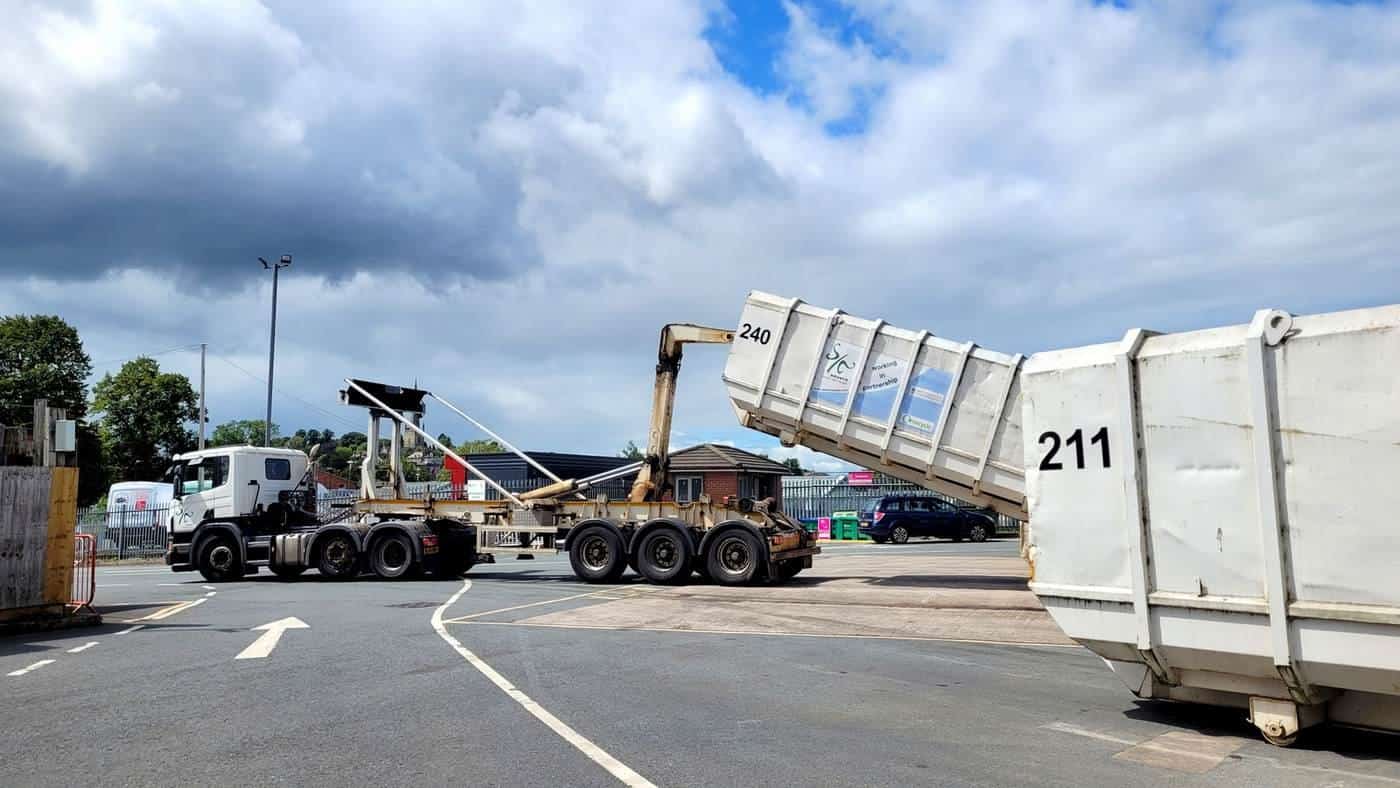
Placing a skip safely
How to choose a safe spot for a skip bin: truck access, overhead clearance, protecting driveways, road placement, visibility and neighbours.
Read · 5 min
Permits & placement
Loading a skip safely and efficiently
How to load a skip bin safely and fit more in: protecting your back, breaking items down, packing order, level fill and protective gear.
Read · 5 min
Permits & placement
Reducing and recycling waste before you hire a skip
Ways to cut what goes in your skip: selling and donating, council collections, recycling drop-offs, problem waste centres and separating waste.
Read · 5 min
Frequently asked questions
Do I need a council permit for a skip?
Usually not if it's on your property. On the road, rules vary: Inner West Council requires a permit, while City of Sydney exempts some residential skips for minor works if conditions are met.
Can a skip go on the footpath?
Generally no. City of Sydney's policy says skips must not be placed on footpaths or cycleways.
How do I protect my driveway?
Ask the provider to place timber boards under the skip's runners, avoid fragile pavers and soft ground, and keep heavy loads within the fill line.
How do I avoid hurting myself loading a skip?
Avoid lifting over the side wall: use a walk-in door, ramp and barrow, get help for heavy items and take breaks.
Sources and further reading
Facts on this page were checked against these primary and official sources. Conditions change — confirm before you travel or buy.
- Managing Waste in Public Places – Local Approvals Policy (PDF) — City of Sydney
- Skip bins — Inner West Council
- Lifting, pushing and pulling (manual tasks) — Safe Work Australia
- Recycling Near You — Planet Ark