Asbestos was used widely in Australian homes for decades, in fibro walls and eaves, roofing, vinyl floor tiles, wet-area linings, fences and more. It's generally safe while it's in good condition and left alone. But when it's broken, cut, drilled, sanded or smashed, it can release fibres that cause serious diseases. That's exactly what tends to happen during a renovation, and exactly why asbestos must never go in a general skip bin. This guide explains the risks and the rules, focusing on NSW, and points you to the official sources.
Pre-1990
Homes probably contain asbestos
NSW EPA
10m²
NSW limit for unlicensed removal
Non-friable only; friable always needs a licence
Licensed landfill
The only lawful destination
NSW EPA
Why it can't go in a skip
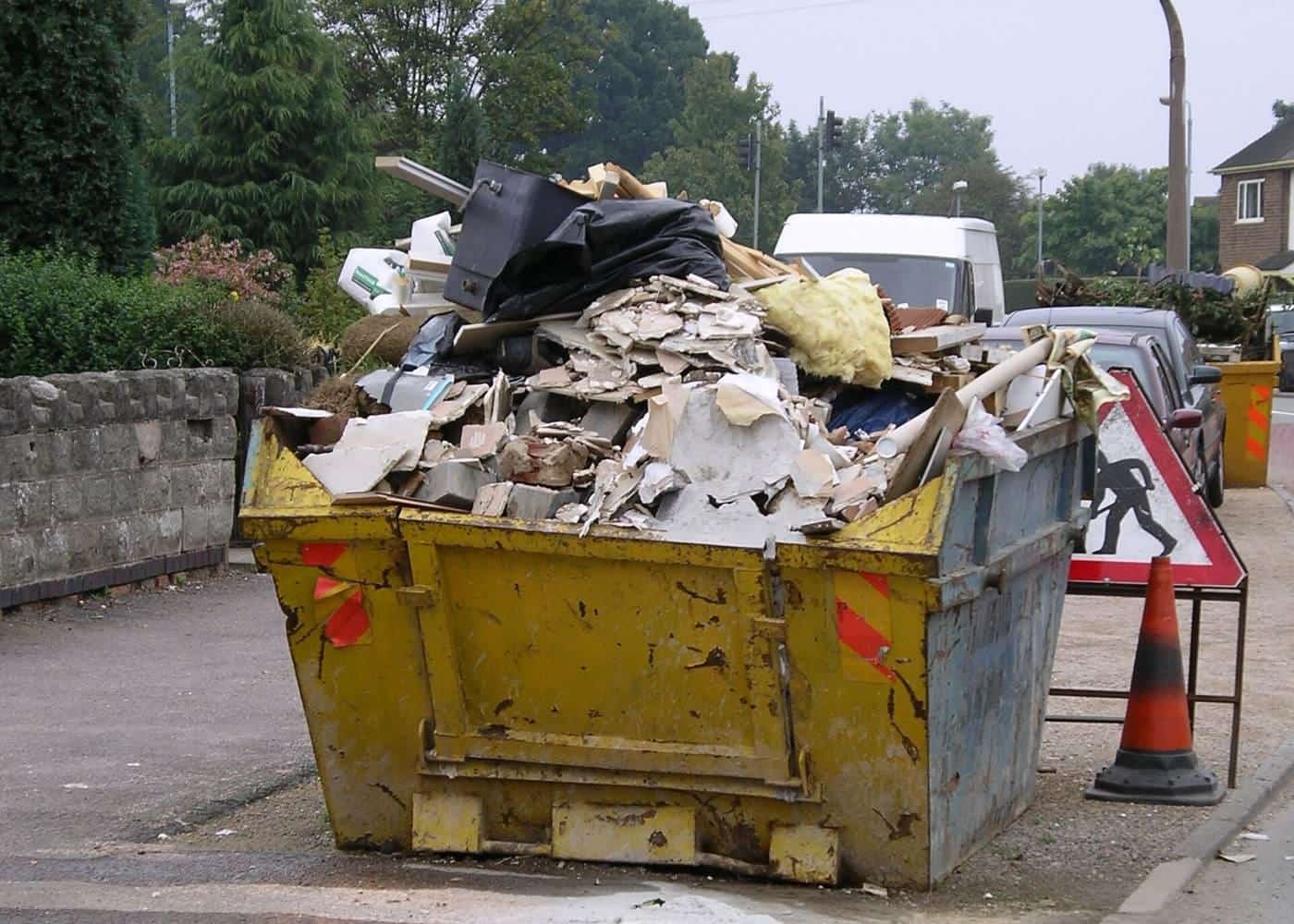
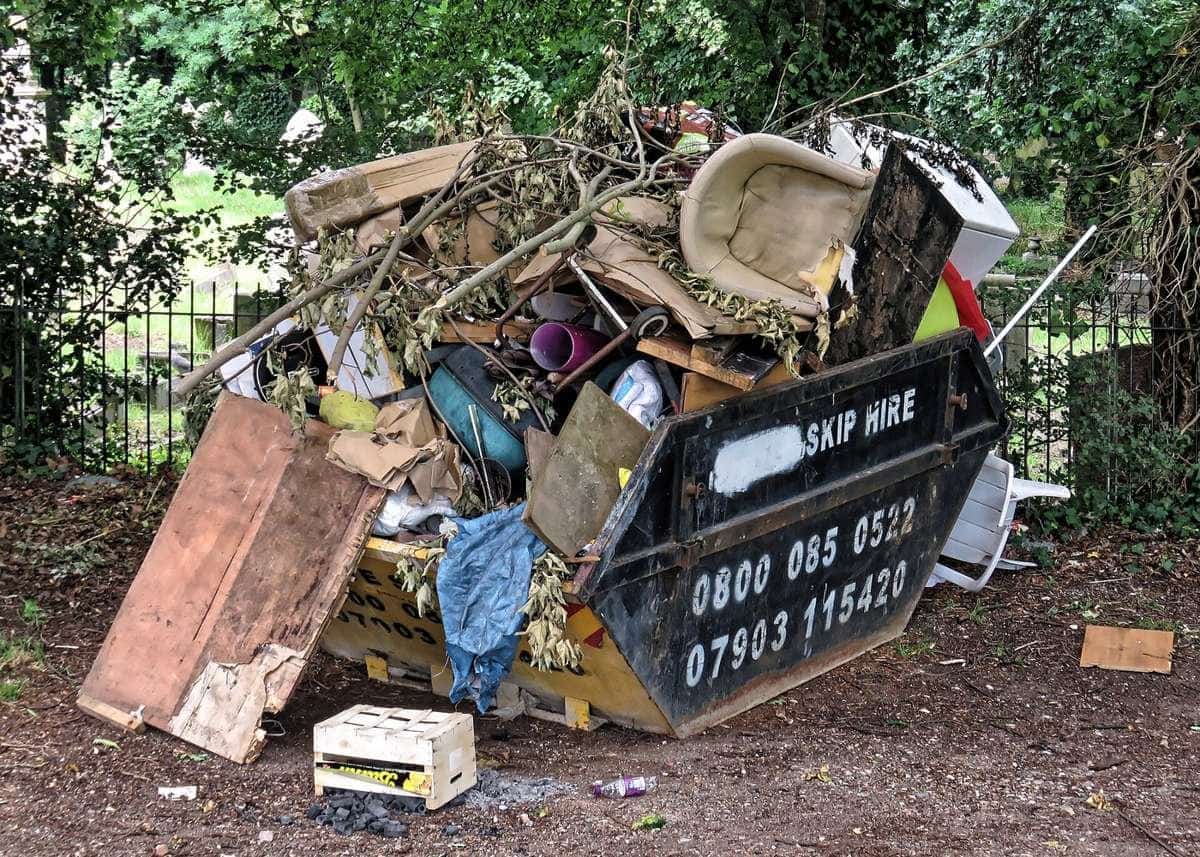
A general skip is open to the air, loaded by hand, tipped out at a facility and often sorted by workers. Every step can break asbestos materials and release fibres, exposing you, your family, neighbours, drivers and waste workers. Asbestos mixed into general waste can also contaminate a whole load.
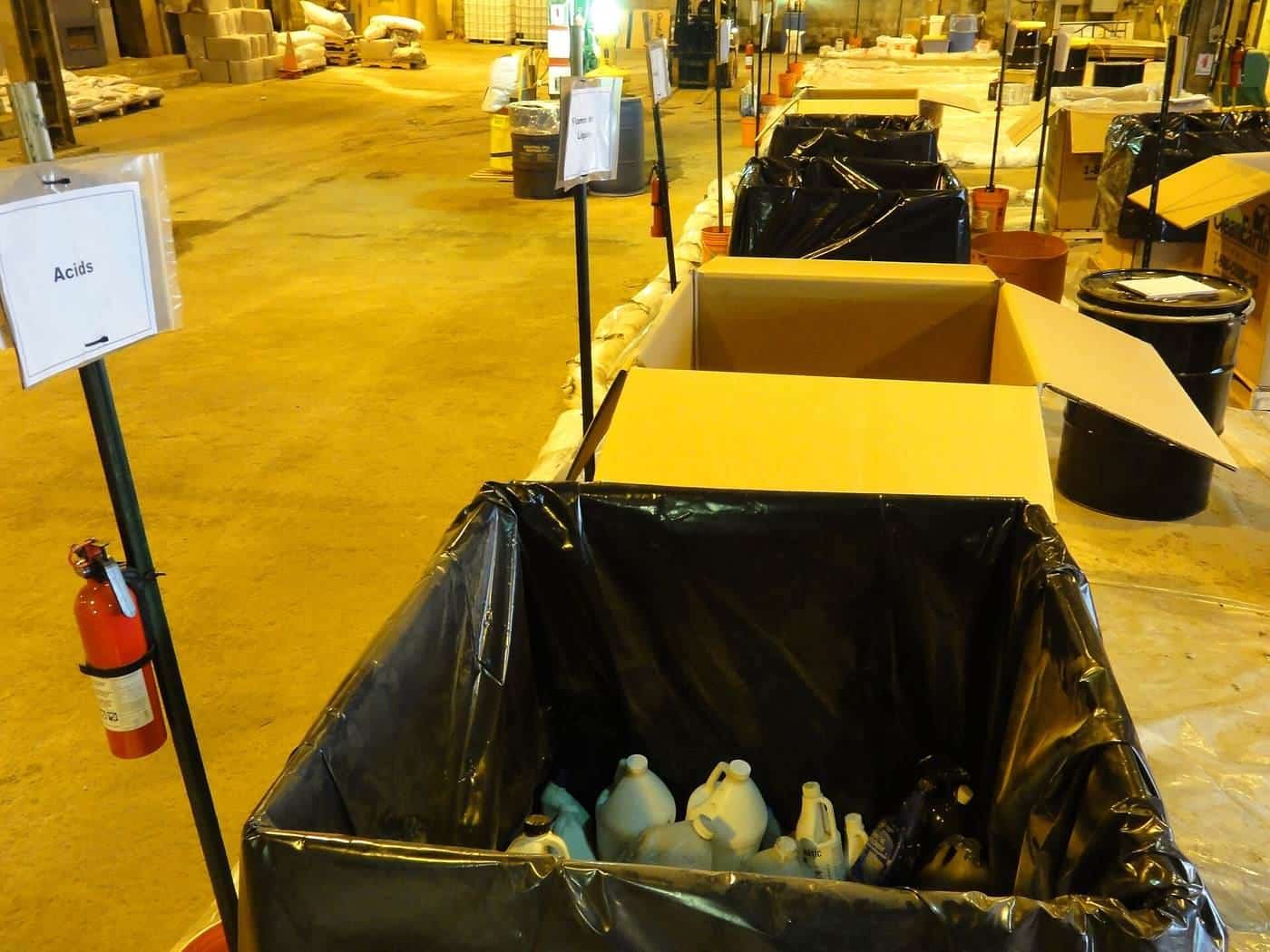
The rules reflect this. The NSW EPA says asbestos waste can only be disposed of at a landfill that's licensed to accept it. Skip providers almost universally ban asbestos from general skips, and councils exclude hazardous material from skips on public land. Some specialist services offer packaging and bins designed for asbestos, but these operate under strict conditions and are a different service altogether.
Where asbestos might be
The NSW EPA says that if your house was built before 1990, it probably has asbestos-containing materials. Common places include:
- fibro (fibre cement) wall sheets, eaves and gables;
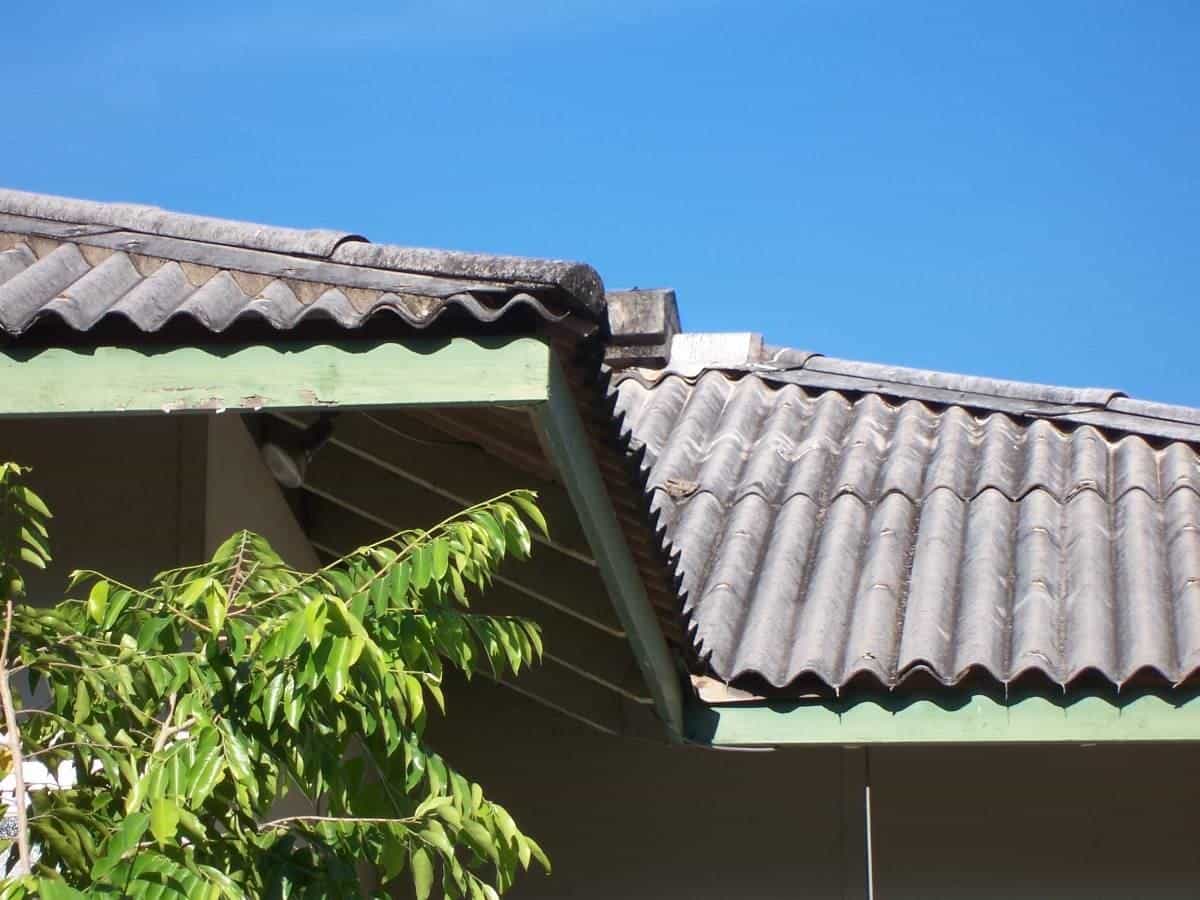
- corrugated fibro roofing and fencing;
- wet-area wall and floor linings behind tiles;
- vinyl floor tiles and the backing of some sheet vinyl;
- textured ceilings and some paints;
- insulation around old heaters, hot water pipes and flues;
- loose-fill ceiling insulation in some homes (a particular hazard; see below).
You can't confirm asbestos by looking. Only laboratory testing of a sample, usually taken by a licensed asbestos assessor or hygienist, can confirm it. Until then, treat suspect materials as if they contain asbestos.
Friable and non-friable
The NSW EPA explains two types:
- Friable asbestos can be crumbled, pulverised or reduced to powder by hand pressure when dry. It's the more dangerous form.
- Non-friable (bonded) asbestos is mixed with cement or other bonding materials and can't be crumbled by hand. However, it can become friable if it's damaged or old.
Who can remove asbestos in NSW
SafeWork NSW's asbestos website explains the rules:
- A homeowner can remove less than 10 square metres of non-friable asbestos themselves, or a tradesperson can do so on the homeowner's behalf.
- Removing more than 10 square metres of non-friable asbestos, or any amount of friable asbestos, requires a licensed asbestos removalist.
- Friable asbestos must be removed by a removalist with a Class A licence.
To help picture 10 square metres, the site gives examples: a wall 5 metres by 2 metres, or the wall sheeting from one small bathroom.
Even where DIY removal is legal, the site strongly recommends using a licensed removalist, because there is no safe level of exposure to asbestos. Removal needs planning, the right protective equipment, careful wetting and wrapping, decontamination and correct disposal. If you choose to do it yourself, follow the official guidance closely.
Other states and territories have their own rules. Check your state's work health and safety regulator and environment agency.
Disposal
In NSW, asbestos waste must go to a landfill licensed to accept it. The NSW EPA recommends phoning the landfill first to check it accepts asbestos and whether you need to book. It lists facilities that accept household asbestos on its website. Asbestos must be wrapped and handled according to the rules, and larger quantities removed by licensed removalists must be tracked. Never put asbestos in household kerbside bins, general skips, or dump it.
Loose-fill asbestos
Some NSW homes built in the 1960s and 70s had loose-fill asbestos installed as ceiling insulation. The NSW EPA advises that if you think you have loose-fill asbestos, you should not enter the ceiling space and should contact a licensed asbestos assessor. This is a serious hazard and not something to tackle yourself.
Asbestos in soil
If you find suspected asbestos fragments in garden soil, the NSW EPA advises taking the same precautions as if you found it inside the house and contacting a licensed asbestos assessor. Be cautious about accepting free fill, which may contain asbestos.
Planning a renovation in an older home
- Find out first. Before you start demolition, have suspect materials assessed and tested.
- Engage a licensed removalist for any friable asbestos, more than 10 square metres of non-friable asbestos, or whenever you're unsure.
- Remove asbestos before the general skip arrives, so it can't get mixed in.
- Tell your builder and trades what's been found, so they can work safely.
- Book your general skip for the non-asbestos waste only. See what you can put in a skip.
The NSW EPA points homeowners and tenants to a fact sheet and to the asbestos.nsw.gov.au website before renovating or doing home maintenance.
If you find suspected asbestos mid-job
- Stop work in that area.
- Don't break, sweep or vacuum the material with a household vacuum.
- Keep people and pets away.
- Lightly wet any broken material, if you can do so safely, to reduce dust, and cover it.
- Contact a licensed asbestos assessor or removalist.
- If suspected asbestos has already gone into your skip, tell your skip provider before collection.
Talking to your skip provider
When you book a skip for a renovation in an older home, tell the provider your house may contain asbestos and that you're having suspect materials assessed or removed separately. Ask what their policy is if suspected asbestos is found in a skip, as many will refuse collection, and some may charge for inspection or separate disposal. Keep any paperwork from your licensed removalist, such as the disposal receipt or clearance certificate, in case questions arise later. And make sure everyone working on the job, from family helpers to tradespeople, knows which areas and materials to leave alone until the asbestos has been dealt with.
Tenants and strata
If you rent, don't disturb suspected asbestos: tell your landlord or agent, who is responsible for arranging assessment and removal. In strata buildings, asbestos in common property is usually the owners corporation's responsibility, so contact the strata manager before any work begins.
Key points
- Asbestos must never go in a general skip; in NSW it must go to a licensed landfill.
- Homes built before 1990 probably contain asbestos; only testing confirms it.
- In NSW, any friable asbestos or more than 10m² of non-friable needs a licensed removalist.
- Even small DIY removals are risky; a licensed removalist is strongly recommended.
- Never enter a ceiling space that may contain loose-fill asbestos.
Frequently asked questions
Can I put asbestos in a skip bin?
Not in a general skip. In NSW, asbestos waste can only be disposed of at a landfill licensed to accept it. Licensed removalists arrange compliant packaging, transport and disposal.
Can I remove asbestos myself?
In NSW, a homeowner can legally remove less than 10 square metres of non-friable (bonded) asbestos, but SafeWork NSW's asbestos website strongly recommends a licensed removalist. Any friable asbestos, or more than 10 square metres, must be removed by a licensed removalist.
How do I know if something contains asbestos?
You can't tell by looking. Only laboratory testing of a sample can confirm it. If your home was built before 1990, treat suspect materials as asbestos until tested.
What should I do if I find suspected asbestos in my skip?
Stop, don't break or remove it roughly, keep people away and contact a licensed asbestos assessor or removalist for advice. Tell your skip provider.
Is fibro always asbestos?
Not always, but many older fibro (fibre cement) products contain asbestos. Treat old fibro as asbestos unless testing shows otherwise.
Sources and further reading
Facts on this page were checked against these primary and official sources. Conditions change — confirm before you travel or buy.
- Dealing with household asbestos — NSW Environment Protection Authority
- Unlicensed asbestos removal — SafeWork NSW (asbestos.nsw.gov.au)
- Facilities that accept household asbestos — NSW Environment Protection Authority