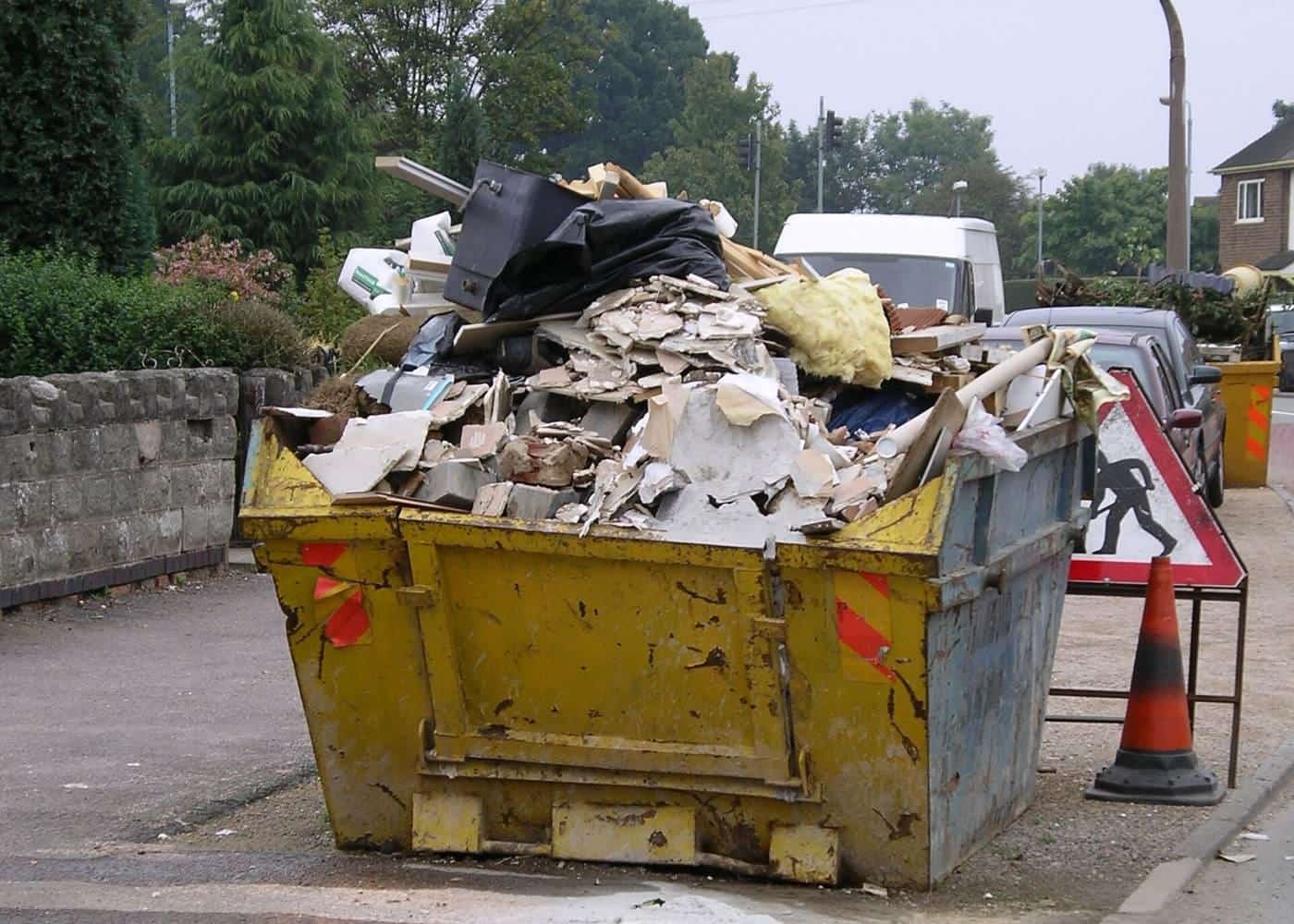
Clear out a garage, shed or laundry and you'll almost certainly find them: tins of old paint, a can of thinners, a bag of pool chlorine, half a bottle of weedkiller, a pile of dead batteries, a gas bottle from a barbecue long gone, a box of fluorescent tubes. It's tempting to toss them in the skip with everything else. Please don't. These problem wastes can start fires, injure workers, poison soil and water, and they're banned by skip providers and councils. The good news is that disposing of them properly is often free and straightforward.
Free
NSW Community Recycling Centres
Household quantities of common problem wastes
20L / 20kg
Guide per waste type
NSW EPA household quantity
CleanOut
For household chemicals
NSW mobile collection events
Why hazardous waste doesn't belong in a skip
- Fire. Batteries, especially lithium-ion types, can short-circuit and ignite when crushed in a truck or at a sorting facility. Flammable liquids like fuel, thinners and some paints make fires worse. Fire and Rescue NSW warns against putting batteries in household bins for this reason.
- Explosion. Gas bottles can explode if crushed or heated.
- Injury. Corrosive pool chemicals and cleaners can burn skin and eyes, and mixing chemicals can release toxic gases.
- Pollution. Oils, pesticides and solvents can leak into soil and waterways from landfill.
- Contamination. One leaking tin can spoil a load of otherwise recyclable material.
Councils agree. Inner West Council's skip bin conditions state that food waste, dangerous or hazardous waste must not be placed in any bin on public land, and City of Sydney's policy excludes hazardous material from skips placed on the road under its exemption.
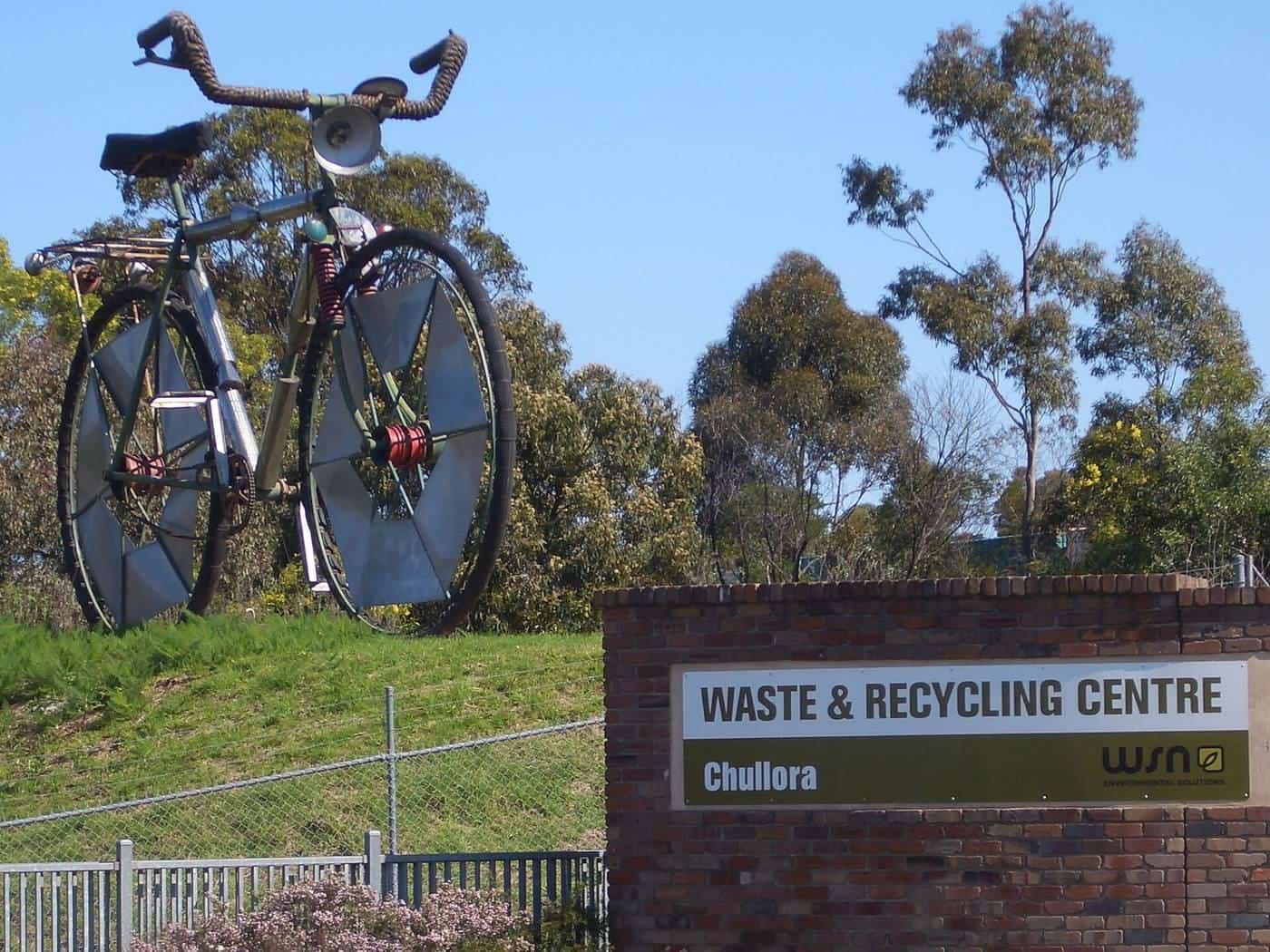
Community Recycling Centres (NSW)
The NSW EPA funds Community Recycling Centres (CRCs), permanent drop-off points for common household problem wastes that can't go in kerbside bins. They're operated by councils and other organisations, open year round and free for NSW householders. The EPA says there are now more than 100 CRCs across NSW, and that most are open to all NSW residents, not just locals.
CRCs accept:
| Waste | What happens to it (according to the NSW EPA) |
|---|---|
| Paint | Mixed with other waste solvents and used as an alternative fuel in cement kilns; metal containers recycled |
| Motor and other oils | Processed into lubricant or used for waste to energy |
| Household and car batteries | Lead-acid batteries recycled for lead, acid and plastic |
| Gas bottles | Residual gas captured; undamaged bottles retested and reused; damaged ones recycled as scrap |
| Fluorescent globes and tubes | Crushed and processed to recover mercury, glass and metals |
| Smoke detectors | Handled separately |
| Fire extinguishers | Handled separately |
As a guide, the EPA says household quantities means a maximum container of 20 litres or 20 kilograms for each waste type. Some centres accept other items, so contact your local centre to check.
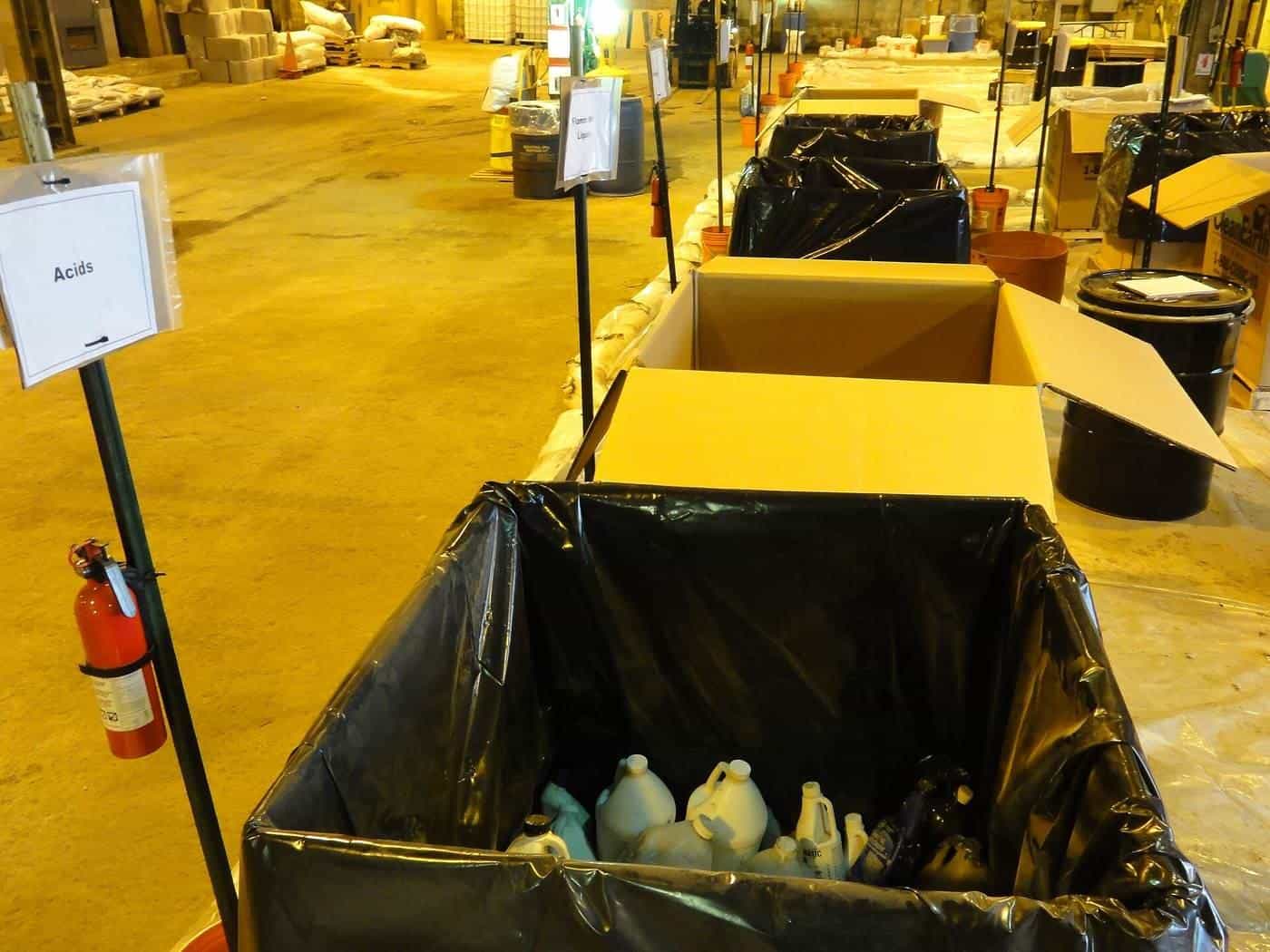
Household Chemical CleanOut (NSW)
For household chemicals that CRCs don't take, the NSW EPA runs Household Chemical CleanOut events. These mobile collections are held at locations around NSW on set dates and accept items such as household cleaners, pool and hobby chemicals, and pesticides. Check the EPA website or Service NSW for upcoming events near you.
Other states and territories
Every state and territory has some form of household hazardous waste program, often run by councils or the state environment agency. Search your council's website for "household chemicals", "problem waste" or "hazardous waste drop-off", or use Planet Ark's Recycling Near You to find options by postcode and item.
Batteries
Batteries deserve special care. Fire and Rescue NSW advises never putting batteries in household bins, as they can cause fires in garbage trucks and waste facilities. Instead:
- take undamaged household batteries to a battery recycling drop-off point, often at supermarkets, hardware stores and council facilities, taping over the terminals first;
- take car batteries to a CRC or an automotive retailer that accepts them;
- take damaged, swollen or leaking batteries to a facility that accepts them, such as a CRC or a CleanOut event in NSW.
Remove batteries from toys, tools and electronics before throwing them out.
Gas bottles
Barbecue and camping gas bottles should never go in a skip, even if you think they're empty. Residual gas can be dangerous. In NSW, CRCs accept gas bottles. Many retailers run exchange programs for barbecue cylinders. Keep bottles upright and secured when transporting them, and never leave them in a hot car.
Paint
Leftover paint is one of the most common problem wastes. Before disposing of it:
- consider whether someone could use it: community groups, schools or neighbours;
- use it up on an undercoat or a shed;
- keep it in its original container with the lid tight.
Then take it to a CRC in NSW, or your local equivalent. Don't pour paint down drains or onto the ground.
Transporting hazardous waste safely
- Keep products in their original labelled containers, with lids tight.
- Never mix chemicals.
- Pack them upright in a box or tray in the boot, away from passengers, on a protective sheet to catch leaks.
- Keep incompatible products, such as pool chlorine and acids, apart.
- Drive straight to the drop-off point.
The NSW EPA advises handling and transporting items carefully and placing them on a protective sheet or tray in the boot to capture any leakages or breakages.
Businesses and tradespeople
CRCs are for households. The NSW EPA says businesses aren't eligible and should contact a waste disposal service directly or use the BusinessRecycling website. Tradespeople working on your home should dispose of their own hazardous waste through commercial channels.
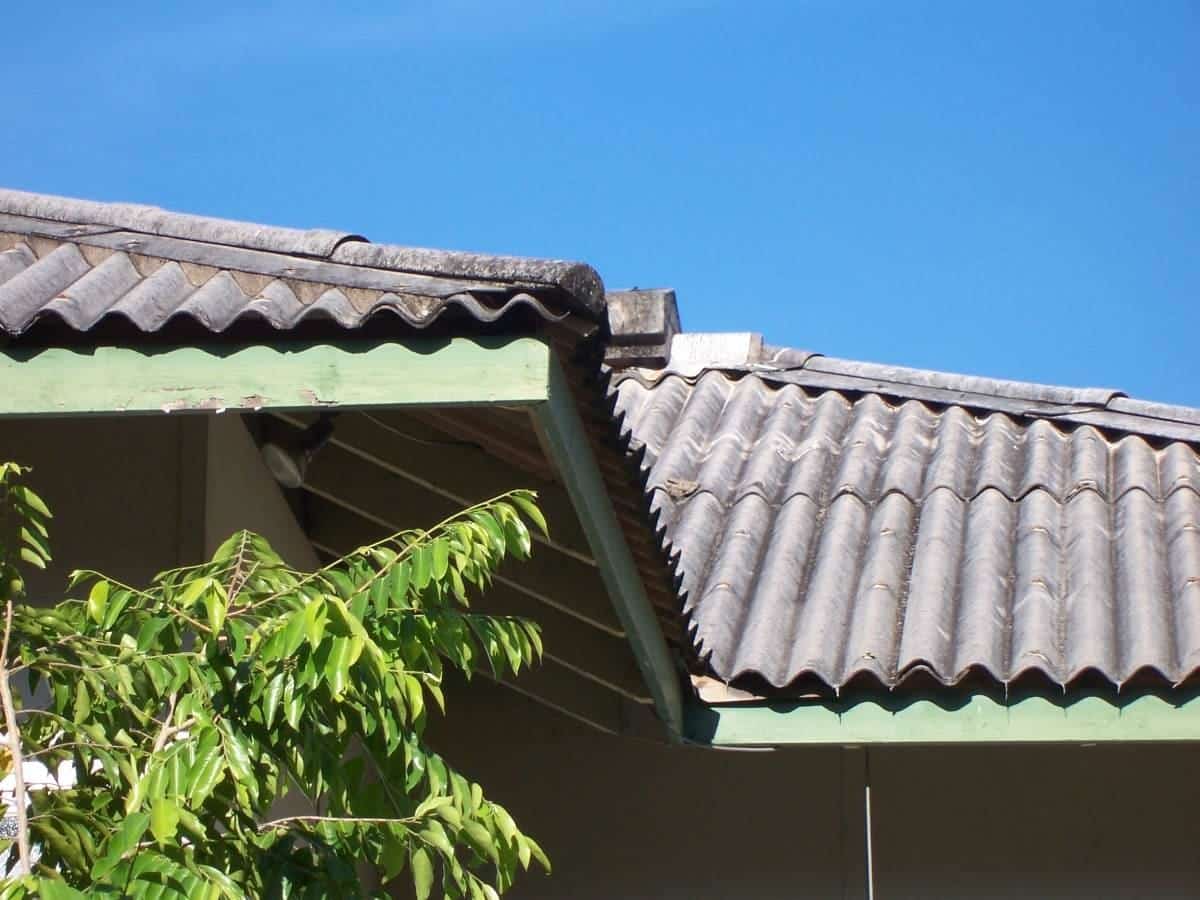
Asbestos is different
Asbestos isn't accepted at CRCs or CleanOut events. It has its own strict rules for removal and disposal. See our asbestos guide.
Storing hazardous waste until drop-off
You may need to keep problem wastes for a while until you can get to a drop-off centre or a CleanOut event. Store them safely in the meantime:
- keep them in their original labelled containers, with lids tight;
- store them up high or in a locked cupboard, out of reach of children and pets;
- keep them in a cool, dry, ventilated place away from heat and ignition sources;
- keep incompatible chemicals, such as pool chlorine and acids, well apart;
- keep batteries in a non-metal container with terminals taped;
- store gas bottles upright, outdoors or in a well-ventilated area, never inside the house.
If a container is leaking, damaged or unlabelled, put it inside a larger sealed container and mention it when you drop it off.
Buying less next time
The easiest hazardous waste to deal with is the waste you never create. Buy paint and chemicals in the quantities you need, choose lower-toxicity products where they'll do the job, and use up leftovers or pass them on.
Key points
- Paint, chemicals, batteries, gas bottles, oils and fluoro tubes don't belong in a skip.
- In NSW, Community Recycling Centres take many problem wastes free in household quantities.
- Household chemicals go to Household Chemical CleanOut events in NSW.
- Never put batteries in bins; use battery drop-off points.
- Transport chemicals in original containers, upright, never mixed.
Frequently asked questions
Where can I take old paint in NSW?
To a Community Recycling Centre, free, in household quantities. The NSW EPA says paint there is mixed with other waste solvents for use as an alternative fuel in cement kilns, and the metal containers are recycled.
What counts as a household quantity?
As a guide, the NSW EPA says a maximum container of 20 litres or 20 kilograms for each waste type at Community Recycling Centres.
Where do pool chemicals and pesticides go?
In NSW, to a Household Chemical CleanOut event. These mobile collections are held at different locations on set dates throughout the year.
Can businesses use Community Recycling Centres?
No. The NSW EPA says businesses aren't eligible and should contact a waste disposal service directly or use the BusinessRecycling website.
How should I transport chemicals?
Keep them in their original labelled containers, with lids tight, upright in a box or tray in the boot, away from passengers. Never mix chemicals.
Sources and further reading
Facts on this page were checked against these primary and official sources. Conditions change — confirm before you travel or buy.
- Community Recycling Centres — NSW Environment Protection Authority
- Household Chemical CleanOut — NSW Environment Protection Authority
- Lithium-ion batteries – shop, charge and recycle safely — Fire and Rescue NSW
- Skip bins — Inner West Council