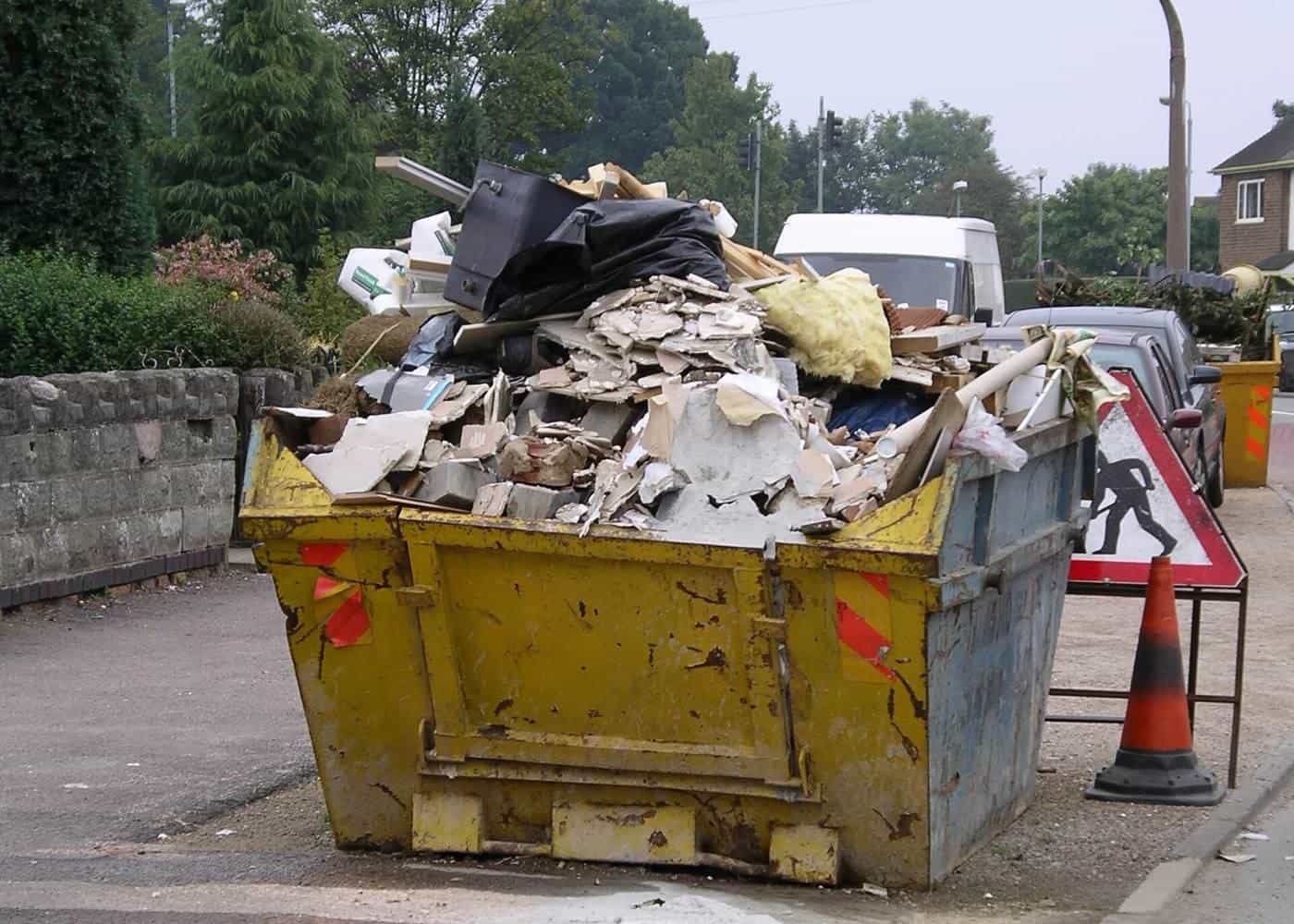
Everything that goes into a skip has to go somewhere afterwards: a sorting facility, a recycler or landfill. That's why skip providers have lists of what they will and won't take, and why councils add their own conditions for skips on public land. Getting it right keeps drivers and waste workers safe, keeps recyclable loads clean, and avoids your skip being refused on collection day. This section explains the rules and the alternatives.
Guides in this section
- What you can and can't put in a skip: commonly accepted and banned items, and where banned items go.
- Hazardous household waste and skips: paint, chemicals, batteries, gas bottles, oils and fluoro tubes.
- Asbestos and skip bins: why asbestos can't go in a skip, the NSW 10 square metre rule and lawful disposal.
- Soil, concrete and heavy waste: weight limits, heavy-waste skips, fill lines and recycling.
The usual pattern
There's no single national list, but most general-waste skips accept household junk, furniture, garden waste, timber, renovation waste such as plasterboard and tiles, metal and plastics. Most ban or restrict hazardous and problem wastes, food waste and liquids, and some charge extra for mattresses, tyres and large appliances. Always check your provider's list when you book.
| Usually accepted | Usually banned or restricted |
|---|---|
| Household junk and clutter | Asbestos |
| Furniture | Paint, solvents and chemicals |
| Garden waste | Gas bottles |
| Timber | Batteries |
| Plasterboard, tiles, bricks, concrete (often separately) | Oils |
| Metal | Fluorescent globes and tubes |
| Plastics | Food and putrescible waste |
| Cardboard (better recycled) | Liquids; tyres and mattresses may cost extra |
What councils say
Council conditions for skips on public land back up providers' rules. Inner West Council's conditions state that food waste, dangerous or hazardous waste must not be placed in any bin. City of Sydney's policy says skips placed on the road under its exemption must not be used for commercial waste, putrescible waste or hazardous material.
Hazardous household waste
Paint, chemicals, batteries, gas bottles and oils can cause fires, explosions, injuries and pollution in a skip or garbage truck. In NSW, the EPA's Community Recycling Centres accept paint, motor and other oils, household and car batteries, gas bottles, smoke detectors, fire extinguishers and fluorescent globes and tubes, free, in household quantities. As a guide, the EPA says that means a maximum container of 20 litres or 20 kilograms per waste type. Household chemicals go to Household Chemical CleanOut events. See hazardous household waste.
Asbestos
Asbestos is a serious hazard in older homes. The NSW EPA says homes built before 1990 probably contain asbestos materials, and asbestos waste can only be disposed of at a landfill licensed to accept it. SafeWork NSW's asbestos website explains that removing any friable asbestos, or more than 10 square metres of non-friable asbestos, requires a licensed removalist, and strongly recommends a licensed removalist even for smaller amounts. It must never go in a general skip. See asbestos and skip bins.
Heavy waste
Soil, sand, bricks, concrete, tiles and rock are usually accepted, but in dedicated heavy-waste skips with fill lines, because they reach weight limits long before a skip is full. Keeping them clean and separate helps them be recycled. See soil, concrete and heavy waste.
Keeping your skip clean
If your skip is on the street, other people may add rubbish to it, including things you'd never put in. Inner West Council makes the permit holder responsible for removing waste deposited in or around the bin. Check your skip regularly, consider a cover, and remove anything hazardous before collection.
Before you fill
- Get your provider's accepted and banned list.
- Take hazardous and problem wastes to the right drop-off.
- Have suspect building materials checked for asbestos.
- Separate heavy materials and green waste if your provider asks.
- Set aside reusable and recyclable items. See reducing and recycling waste.
Why it matters
Waste that's sorted properly is safer to handle and more likely to be recycled. Clean concrete, bricks, soil, metal and green waste can be turned into new products, while a single leaking paint tin or battery can contaminate or ignite a load. Drivers and workers at sorting facilities handle what you put in your skip, so keeping hazardous items out protects them too. And with many problem wastes accepted free at drop-off centres, doing the right thing often costs nothing more than a short drive.
Questions we hear often
Can I put old carpet in a skip? Usually, yes, though it's heavy when wet, so keep it dry.
What about green waste? Usually accepted, though some providers prefer it separate so it can be mulched.
Can I put a fridge in a skip? Ask first. Appliances with refrigerant gases may need special handling.
What about mattresses? Many providers accept them for an extra charge, and some councils run mattress recycling or collections.
Can I put garden soil in with my prunings? Ask first, as soil adds weight quickly.
Guides in this section
What goes in
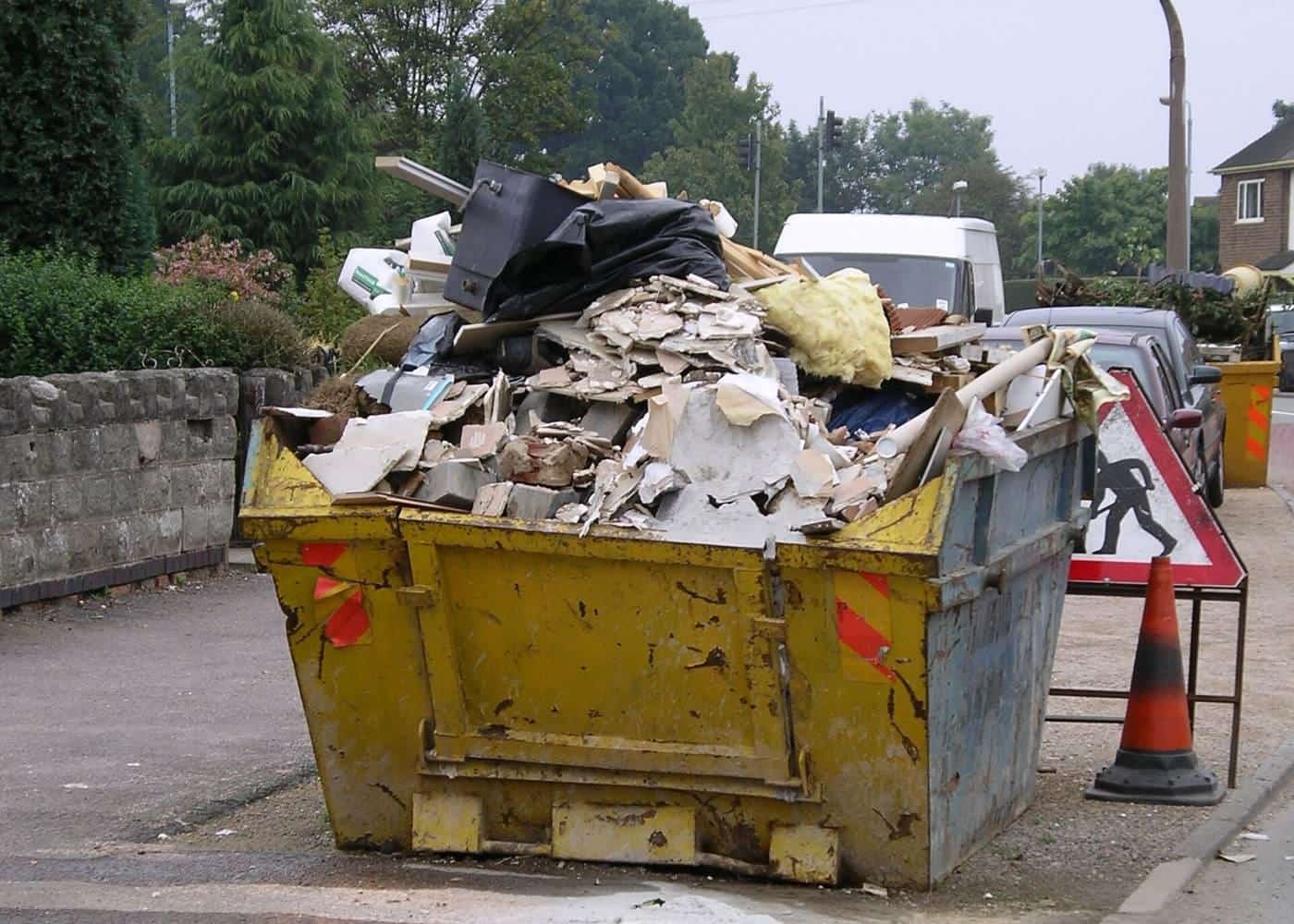
What you can and can't put in a skip
What usually can go in a skip bin, what's usually banned, why the rules exist and where to take hazardous and problem waste instead.
Read · 5 min
What goes in
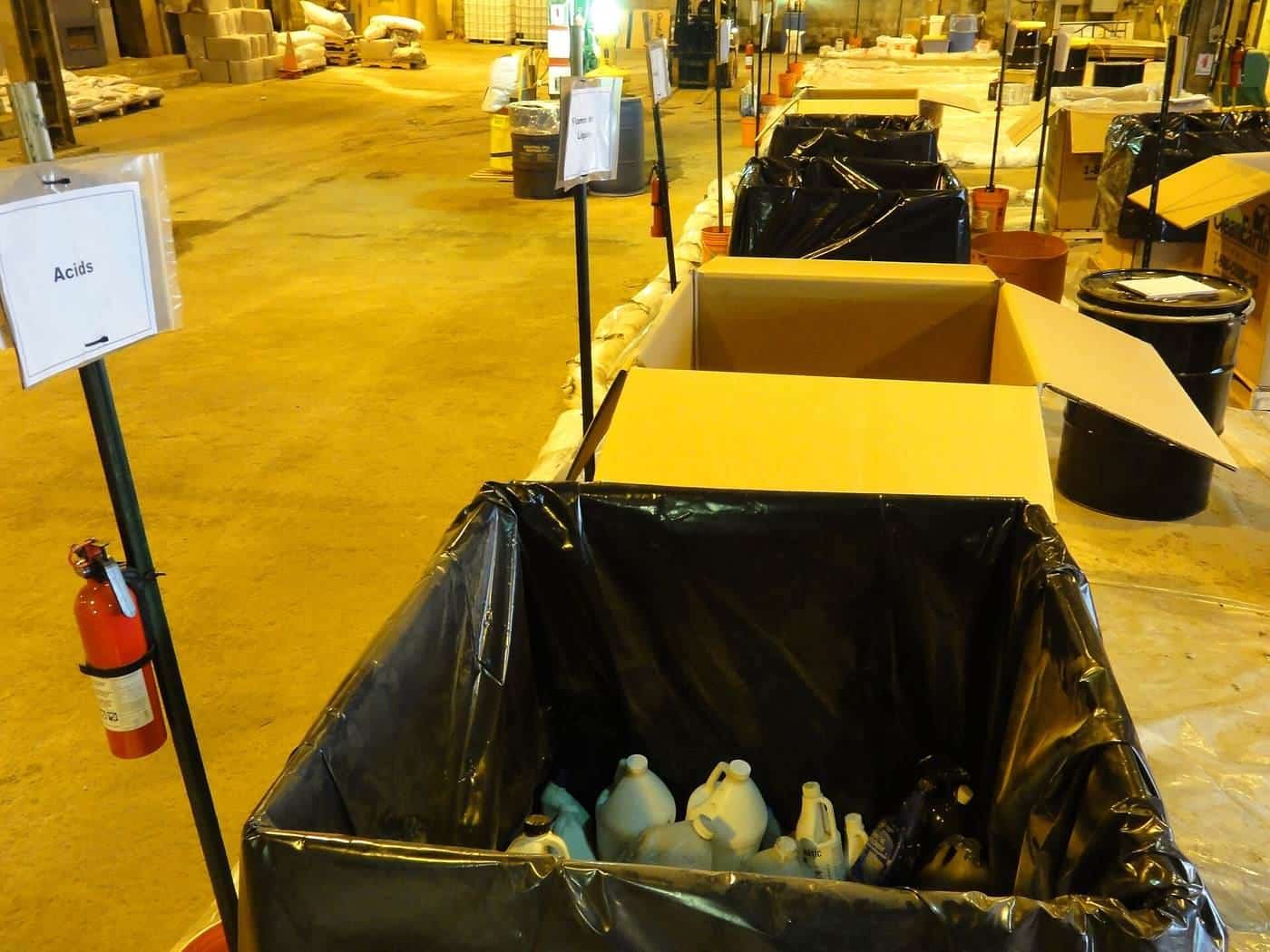
Hazardous household waste and skips
Why paint, chemicals, batteries, gas bottles, oils and fluoro tubes don't belong in a skip, and how to dispose of them safely in NSW and beyond.
Read · 5 min
What goes in
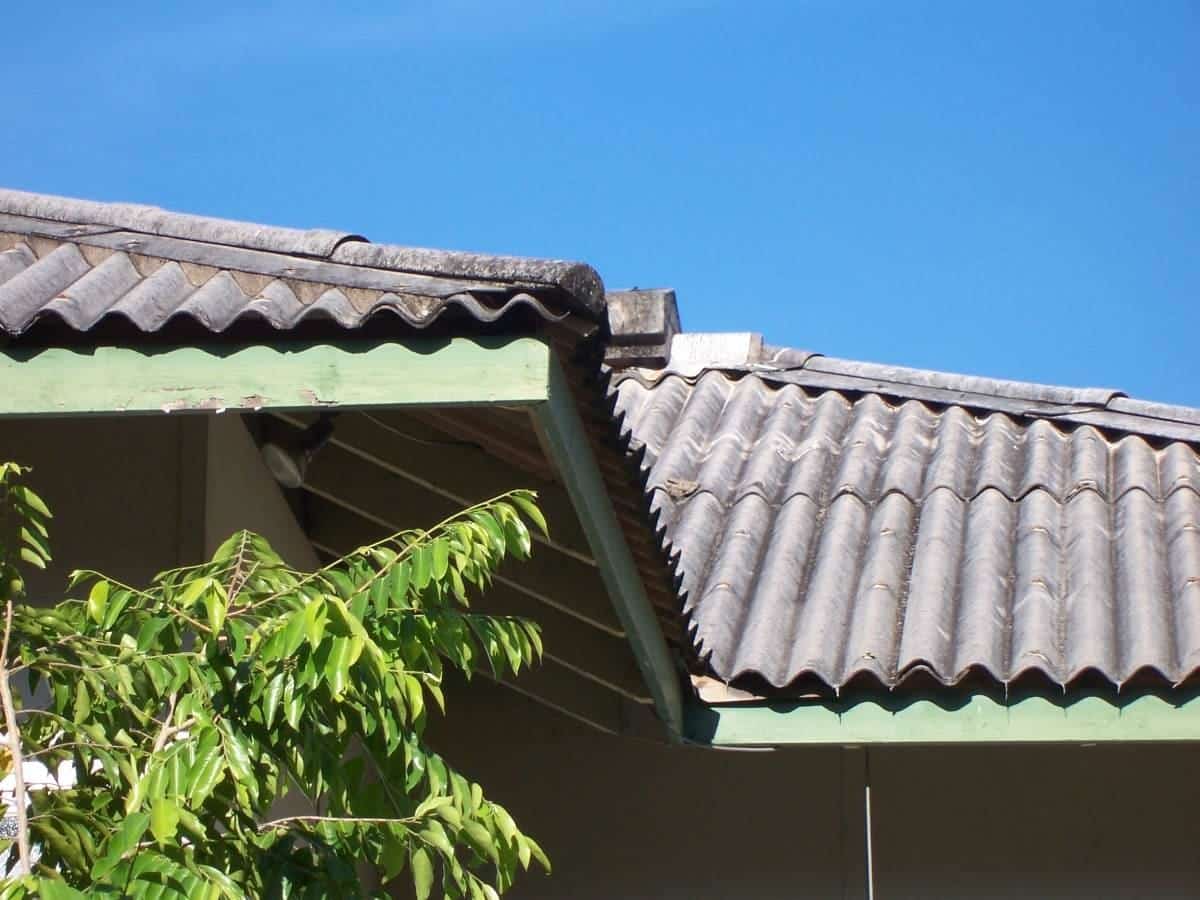
Asbestos and skip bins
Why asbestos must never go in a general skip, how to spot materials that may contain it, the NSW 10 square metre rule and lawful disposal.
Read · 5 min
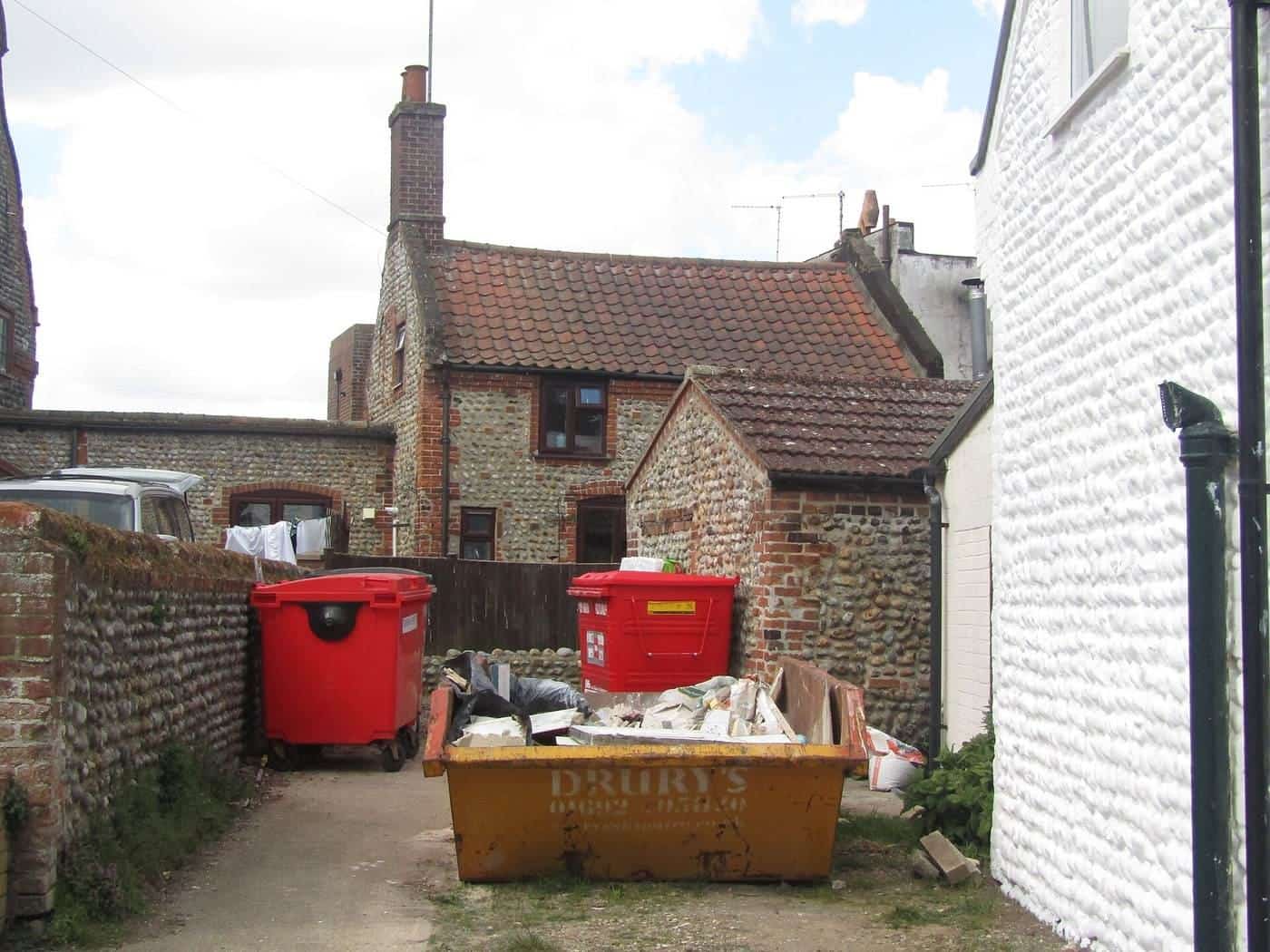
What goes in
Soil, concrete and heavy waste
How to handle soil, concrete, bricks, tiles and rubble when hiring a skip: weight limits, heavy-waste skips, fill lines, sorting and recycling.
Read · 5 min
Frequently asked questions
What can't go in a skip?
Commonly banned items include asbestos, paint, chemicals, gas bottles, batteries, oils, fluoro tubes, food waste and liquids. Tyres and mattresses may be restricted or cost extra. Check your provider's list.
Where do I take paint and batteries in NSW?
To a Community Recycling Centre, free, in household quantities. The NSW EPA lists paint, oils, batteries, gas bottles, smoke detectors, fire extinguishers and fluoro globes.
Can asbestos go in a skip?
Not in a general skip. In NSW, asbestos must go to a landfill licensed to accept it, and some removal must be done by a licensed removalist.
Why do soil and concrete need a special skip?
They're heavy. A large skip full of them could exceed weight limits, so providers use smaller heavy-waste skips with fill lines.
Sources and further reading
Facts on this page were checked against these primary and official sources. Conditions change — confirm before you travel or buy.
- Community Recycling Centres — NSW Environment Protection Authority
- Dealing with household asbestos — NSW Environment Protection Authority
- Unlicensed asbestos removal — SafeWork NSW (asbestos.nsw.gov.au)
- Skip bins — Inner West Council