A skip makes waste disappear from your property, but not from the world. Most of what goes in a general skip ends up at a sorting facility and, for much of it, landfill. With a bit of planning, you can keep a surprising amount out of the skip altogether: furniture someone else will use, metal that's worth recycling, problem wastes that have free drop-off points, and clean materials that can be turned into something new. You'll often end up with a smaller skip, too.
Reuse first
Sell, swap or donate
Furniture, tools, building materials
100+
NSW Community Recycling Centres
NSW EPA
Separate
Clean materials
Soil, concrete, metal and green waste recycle best
Start with the waste hierarchy
The idea is simple: avoid waste where you can, then reuse, then recycle, and only then dispose of what's left. For a clean-out or renovation, that translates into a few steps before you book a skip.
Reuse: sell, swap, donate
Plenty of what people throw out still has life in it:
- Sell furniture, appliances, tools, bikes and building materials online or at a garage sale.
- Give away items on local buy-nothing and community groups, or put a "free" sign on items left on your own property briefly, if your council allows it.
- Donate good-quality furniture, clothing, homewares and books to charities. Check what they accept first, and whether they collect. Never leave items outside charity bins or shops, which is illegal dumping in many places.
- Salvage yards may take doors, windows, timber, bricks and fittings in good condition.
Recycle through council services
Most councils offer more than the weekly bins:
- Kerbside recycling for cardboard, paper, bottles, cans and some plastics. Flatten cardboard boxes and put them in your recycling bin rather than the skip.
- Garden organics or FOGO bins for prunings, leaves and grass.
- Bulky waste or kerbside clean-up collections, often booked, with limits on volume and items.
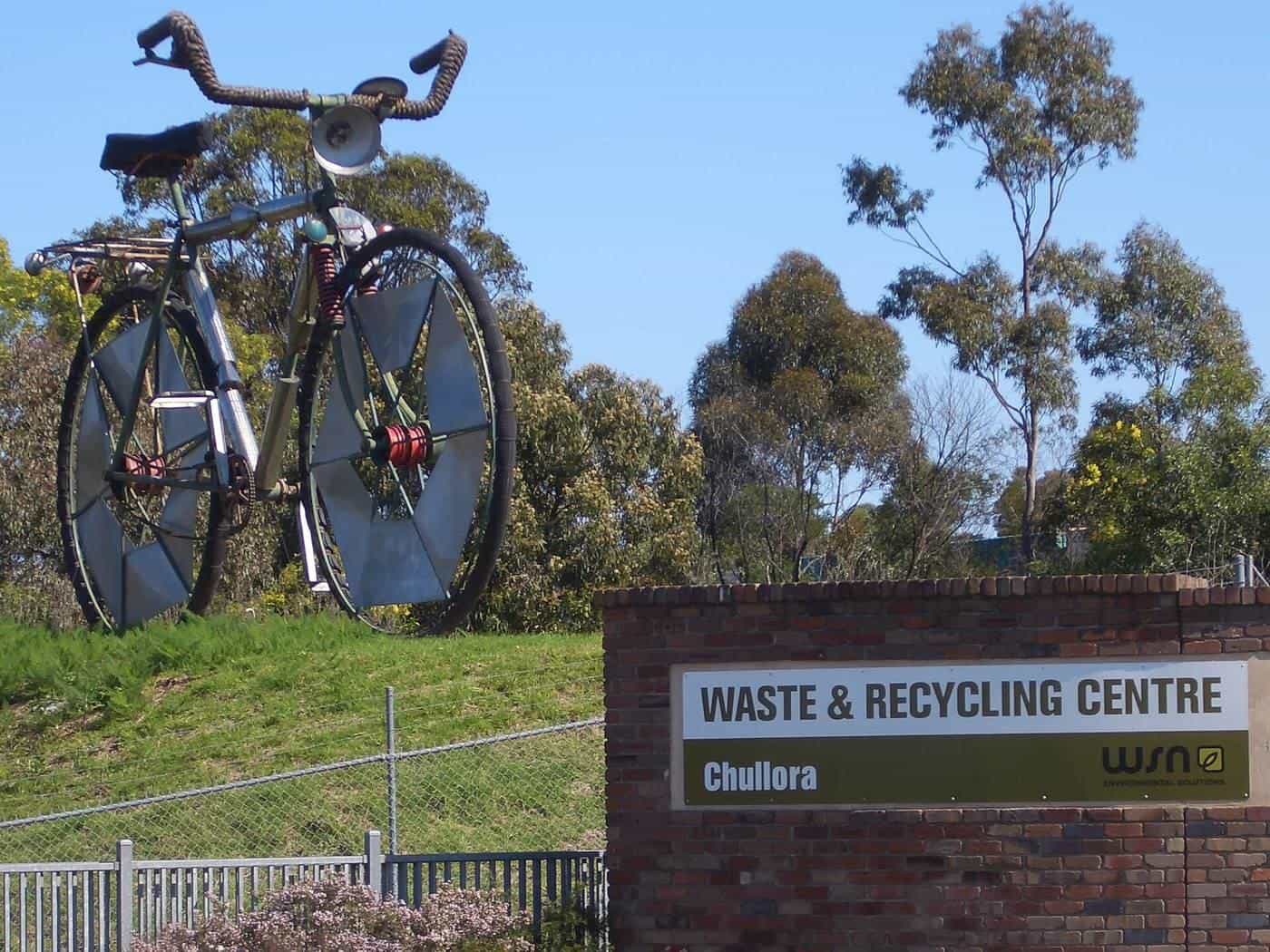
- Council waste and recycling centres, which may accept metals, e-waste, mattresses, garden waste and more.
Check your council's website for what's available.
Problem waste drop-offs
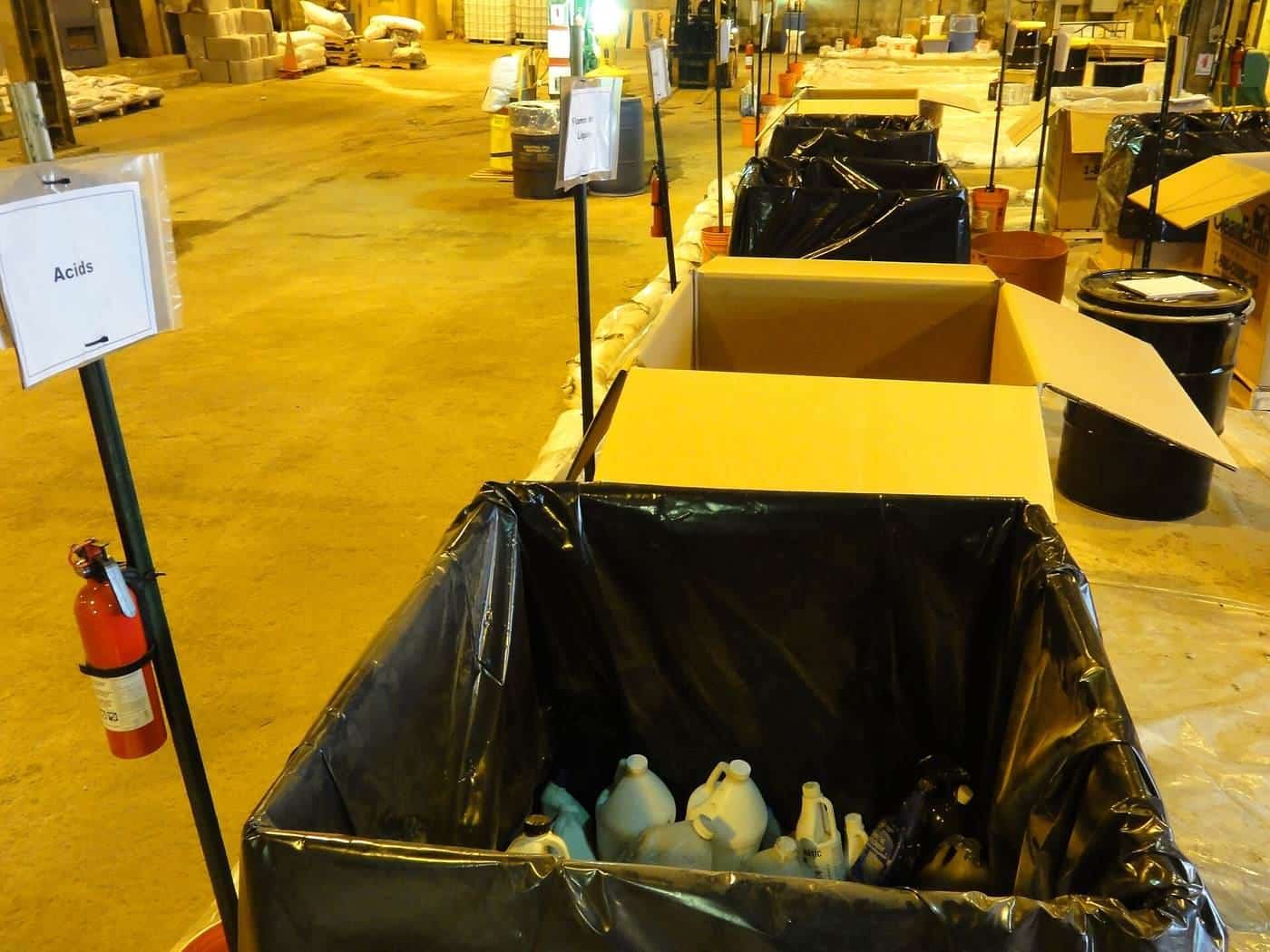
Some items should never go in a skip, but have dedicated, often free, disposal options. In NSW, Community Recycling Centres, which the NSW EPA says number more than 100 across the state, accept in household quantities:
- paint;
- motor and other oils;
- household and car batteries;
- gas bottles;
- smoke detectors and fire extinguishers;
- fluorescent globes and tubes.
The EPA says most of these items can be reused or recycled. Household chemicals go to Household Chemical CleanOut events. Other states and territories have their own programs. See hazardous household waste.
Find recycling for anything
Planet Ark's Recycling Near You lets you search by item and location to find local reuse and recycling options, including electronics, batteries, plastics and construction materials. It's a quick way to check whether that old printer, mattress or pile of bricks has a better home than the skip.
Separate materials
If you do need a skip, separating materials can help them be recycled rather than landfilled:
| Material | Why separate it |
|---|---|
| Clean soil | Can be reused as fill or in landscaping |
| Concrete and bricks | Can be crushed into recycled aggregate |
| Metal | Valuable to scrap metal recyclers |
| Green waste | Can be mulched or composted |
| Timber | Clean untreated timber can be recycled |
| Cardboard | Belongs in your recycling bin |
Some skip providers offer dedicated skips for soil, concrete, green waste or mixed heavy waste, and may treat them differently from general waste. Ask when you book. See soil, concrete and heavy waste.
Plan the job
A few habits make reducing waste easier:
- Sort as you go. Set up separate areas or containers for keep, sell, donate, recycle, problem waste and skip.
- Start early. Selling and donating takes time; begin before the skip arrives.
- Estimate after sorting. You'll often find you need a smaller skip. See how to estimate your waste.
- Book drop-offs. Some council services and charities need bookings.
- Ask trades to take their own offcuts and packaging where possible.
Renovation-specific tips
- Deconstruct rather than demolish where you can, to salvage reusable materials such as doors, windows, cabinets, timber and fixtures.
- Order materials carefully to reduce offcuts and leftovers.
- Keep packaging separate, as much of it is recyclable cardboard and soft plastic.
- Have suspect materials checked for asbestos before removing them, so asbestos isn't mixed with recyclable waste. See our asbestos guide.
Avoid illegal dumping
Leaving waste on the street, in bushland, outside charity shops or in someone else's skip is illegal dumping in most places and can attract fines. It also costs councils and communities to clean up. If you're paying someone to take your waste away, make sure they're a legitimate business that will dispose of it lawfully.
What to do with common items
| Item | Options before the skip |
|---|---|
| Good furniture | Sell, give away or donate |
| Mattresses | Council or retailer recycling programs |
| Whitegoods and appliances | Scrap metal recyclers, some council services |
| Computers, TVs and phones | E-waste drop-off programs |
| Clothing and linen | Charity donation or textile recycling |
| Paint, oils, batteries, gas bottles | Community Recycling Centres (NSW) |
| Garden waste | Green or FOGO bin, compost, mulch |
| Bricks, pavers and timber | Reuse, salvage yards, give away |
| Cardboard | Council recycling bin |
A note on deceased estates and big clear-outs
Clearing a family home can be emotional as well as physical work. Give yourself time to sort, keep important papers and photos aside, and consider asking a charity or estate service to help with reusable items before booking skips. It can mean far less waste and a much easier job.
Measuring the difference
After sorting, re-estimate your waste using our estimator. Many people find the skip they need after reusing and recycling is a size or two smaller than they first assumed. That's less waste in landfill, less lifting and, usually, a smaller bill. It also means fewer truck trips, and less time with a skip taking up your driveway or the street out the front.
Getting the family involved
Sorting goes faster when everyone knows the plan. Label areas or boxes clearly, keep a list of what's going where, and give children safe jobs such as sorting books, toys and clothes for donation. Set a deadline for decisions on sentimental items, so the skip doesn't arrive while half the house is still undecided. And keep anything hazardous, such as chemicals, batteries and suspected asbestos materials, well away from helpers until it can be dealt with properly.
Ask your skip provider too
Many skip providers sort the waste they collect and recover materials such as metal, timber, concrete and green waste. Ask how they handle waste and whether separating it yourself helps.
Key points
- Sell, swap and donate usable items before hiring a skip.
- Use council recycling, garden organics and bulky waste services.
- Take problem wastes to dedicated drop-offs; in NSW, Community Recycling Centres take many for free.
- Search Recycling Near You for local options for almost any item.
- Separate clean soil, concrete, metal and green waste so they can be recycled.
Frequently asked questions
How can I find where to recycle a particular item?
Planet Ark's Recycling Near You lets you search by item and postcode for local reuse and recycling options, including electronics, batteries, plastics and building materials.
Where can I take paint and batteries?
In NSW, Community Recycling Centres accept paint, household and car batteries, gas bottles, oils, smoke detectors, fire extinguishers and fluoro globes free in household quantities.
Does my council collect bulky waste?
Many councils offer kerbside clean-up or booked bulky waste collections, often for free or a small fee and within set limits. Check your council's website.
Can I donate old furniture?
Charities accept good-quality furniture and household items, but check first what they take and whether they collect. Don't leave items outside charity bins or shops.
Is separated waste better than mixed waste?
Yes. Clean, separated materials such as soil, concrete, metal and green waste are easier to recycle. Some skip providers offer separate skips for them.
Sources and further reading
Facts on this page were checked against these primary and official sources. Conditions change — confirm before you travel or buy.
- Recycling Near You — Planet Ark
- Community Recycling Centres — NSW Environment Protection Authority
- Household Chemical CleanOut — NSW Environment Protection Authority