Filling a skip looks simple: pick things up and throw them in. In practice, it's often a weekend of heavy, repetitive lifting, carrying and twisting, with sharp edges, nails and broken glass along the way. It's also easy to waste a lot of space by throwing things in randomly. A little planning protects your body, gets more into the skip and makes sure it can be collected without a problem.
Break down
Fit more in
Dismantle, flatten and cut short
Flat & heavy first
Packing order
Then fill gaps with smaller items
Level
No higher than the top
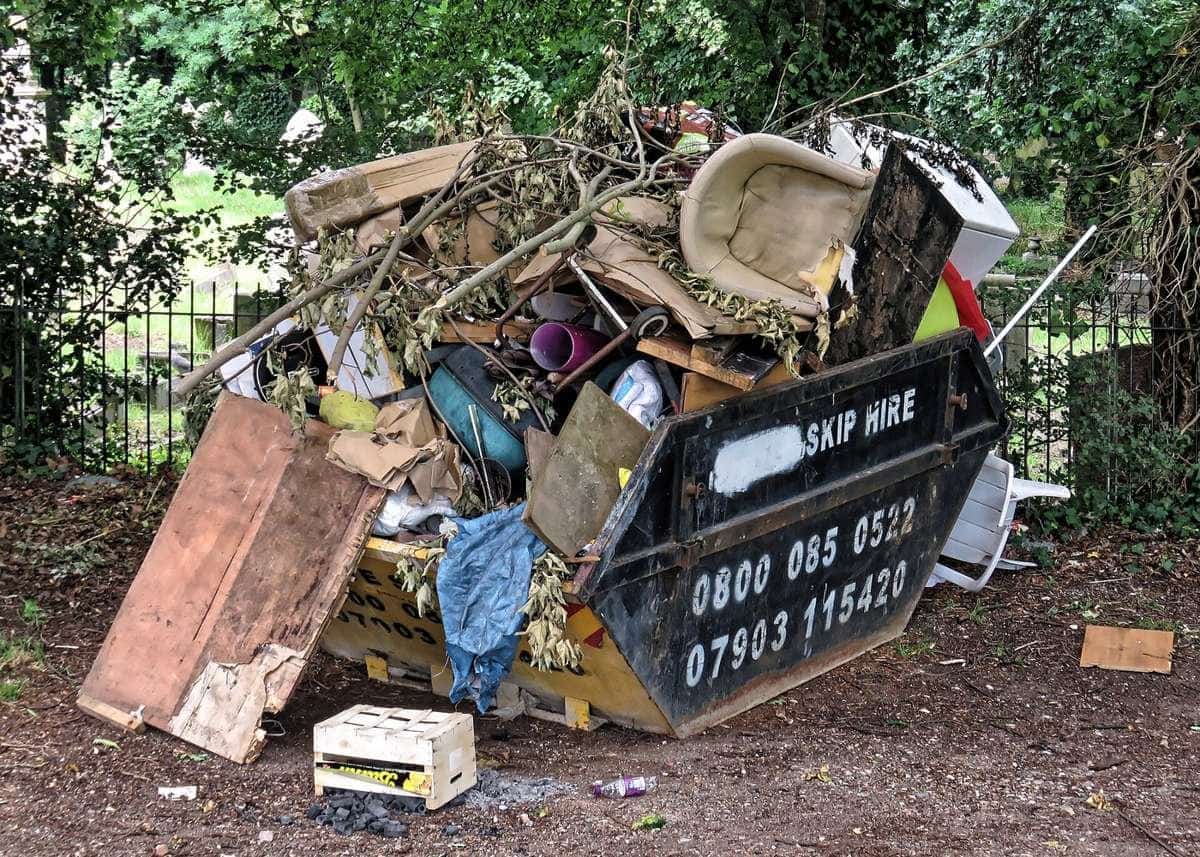
Overfilled skips may not be collected
Protect your body
Safe Work Australia's guidance on lifting, pushing and pulling explains that these tasks can cause injuries, particularly when they involve heavy or awkward loads, repetitive movements, sustained or awkward postures such as bending and twisting, or sudden forces. Although that guidance is written for workplaces, the same risks apply when you're loading a skip at home.
Practical ways to reduce the risk:
- Avoid lifting over the side wall. Ask for a skip with a walk-in door, so you can wheel a barrow or trolley inside. See types of skip bins.
- Use aids. A sturdy wheelbarrow, hand trolley or furniture dolly saves your back. A plank or ramp up to the door helps.
- Get help for heavy, bulky or awkward items such as sofas, appliances and large sheets of material.
- Keep loads close to your body, and avoid twisting while carrying. Turn your feet instead.
- Break heavy loads up into smaller, manageable pieces.
- Pace yourself. Take regular breaks, drink water and stop if you feel pain. Don't try to fill a large skip in a single afternoon.
Wear the right gear
- Sturdy enclosed boots, ideally with tough soles, to protect against nails and dropped items.
- Thick gloves for splinters, sharp metal and broken glass.
- Long sleeves and pants.
- Eye protection when breaking up timber, tiles, concrete or anything that might splinter.
- Hearing protection if you're using power tools.
- A dust mask for dusty work, such as sweeping out a shed. Never rely on a dust mask for asbestos; see below.
- Sun protection for long days outside.
Plan before you start
- Sort first. Set aside items to reuse, sell, donate or recycle, and remove anything hazardous. See reducing and recycling waste and what you can put in a skip.
- Clear a path from the waste to the skip, removing trip hazards.
- Gather tools: a hammer, crowbar, screwdrivers, a saw or loppers, a wheelbarrow and gloves.
- Check for asbestos before breaking up old building materials in homes built before 1990, as the NSW EPA says these homes probably contain asbestos materials. See our asbestos guide.
Pack in the right order
The way you load a skip makes a big difference to how much fits.
- Flat, heavy items first. Old doors, sheets of plasterboard, panels and flat timber make a solid base.
- Heavy, dense waste next, spread evenly across the floor, such as rubble and bricks if they're allowed in the same skip. Keep within any weight limit or fill line.
- Bulky items such as dismantled furniture, positioned to minimise gaps.
- Smaller items and bags to fill the gaps between bulky items.
- Light, loose material like garden prunings on top, pressed down gently.
Spread weight evenly from end to end. A skip loaded heavily at one end can be harder for the truck to lift safely.
Break things down
Most wasted space in a skip comes from air gaps around awkward items. To reduce them:
- take legs off tables and chairs, and remove doors from cabinets;
- dismantle bed frames, shelving and wardrobes;
- flatten cardboard boxes (or better, recycle them in your council bin);
- cut branches and prunings into short lengths and bundle them;
- break up old timber fences and decking;
- fold or roll carpet and underlay tightly.
Don't climb in
It's tempting to climb into the skip to stamp waste down. It's best avoided: loose waste shifts underfoot, can hide nails, glass and sharp metal, and climbing in and out of a steel bin is an easy way to fall. If you need to compact a load, press it down from outside with a tool, or work through a walk-in door on a stable surface.
Keep it level
Most providers require the load to be no higher than the top edge of the skip, with nothing sticking out. An overfilled skip can shed waste on the road, may not be coverable, and the driver may refuse to collect it until it's levelled. If you run out of room, take the excess to a recycling centre or tip, or ask your provider about a swap.
Watch what goes in
Banned items, such as paint, gas bottles, batteries, chemicals and asbestos, can create serious hazards for drivers and waste workers, and can cause your skip to be refused. If your skip is on the street, check it regularly for rubbish added by others, and remove anything hazardous. See hazardous household waste.
Children and pets
Keep children and pets away from the skip and the loading area. Skips have sharp edges and unstable loads, and children may be tempted to climb in. Don't leave tools, nails or broken glass lying around.
After the skip is collected
Sweep up any debris left behind, check the ground for nails and screws, and inspect the driveway or road surface for any damage. If the skip was on the road, make sure the area is clean, as permit conditions often require it.
Working with helpers
Many hands make light work, but a group of helpers loading a skip can also create risks. Agree on a plan before you start: who carries, who loads, and where waste is staged. Use clear signals for team lifts, such as counting down before lifting together. Make sure nobody throws waste into the skip while someone else is near it or loading from the door end. Keep the area around the skip clear of tripping hazards, and sweep up broken glass and nails as you go. If you're hiring labour to help, make sure they have suitable gear and know which items must stay out of the skip.
Weather
Avoid loading in heavy rain, which makes surfaces slippery and adds weight to absorbent waste like carpet and mattresses. In hot weather, start early, take breaks in the shade and drink plenty of water.
Night-time and security
If the skip is on the street, cover it at night if you can, and make sure it's visible to traffic.
Key points
- Avoid lifting over the side: use walk-in doors, ramps, barrows and helpers.
- Wear boots, gloves, eye protection and long clothing.
- Pack flat and heavy items first, spread weight evenly and fill gaps.
- Break items down to save space, and keep the load level with the top.
- Don't climb into the skip, and keep children and pets away.
Frequently asked questions
How do I fit more into a skip?
Break things down: dismantle furniture, flatten boxes and cut branches short. Put flat, heavy items on the bottom, fill gaps with smaller items and spread the load evenly.
Can I climb into the skip to stamp it down?
It's best avoided. Waste shifts underfoot and can hide sharp objects, and climbing in and out of a steel bin risks falls. Pack carefully from outside or through a walk-in door instead.
What should I wear to load a skip?
Sturdy enclosed boots, thick gloves, long sleeves and pants, and eye protection when breaking things up. Add a dust mask for dusty work, but never rely on one for asbestos.
How do I lift heavy items safely?
Avoid lifting heavy items over the skip wall. Use a walk-in door, a ramp and barrow or trolley, get help for heavy or awkward items, and keep loads close to your body.
Why does the skip need a level load?
Most providers require waste to be no higher than the top so it can be transported safely. Overfilled skips may not be collected until they're levelled.
Sources and further reading
Facts on this page were checked against these primary and official sources. Conditions change — confirm before you travel or buy.
- Lifting, pushing and pulling (manual tasks) — Safe Work Australia
- Model Code of Practice – Hazardous manual tasks — Safe Work Australia
- Dealing with household asbestos — NSW Environment Protection Authority