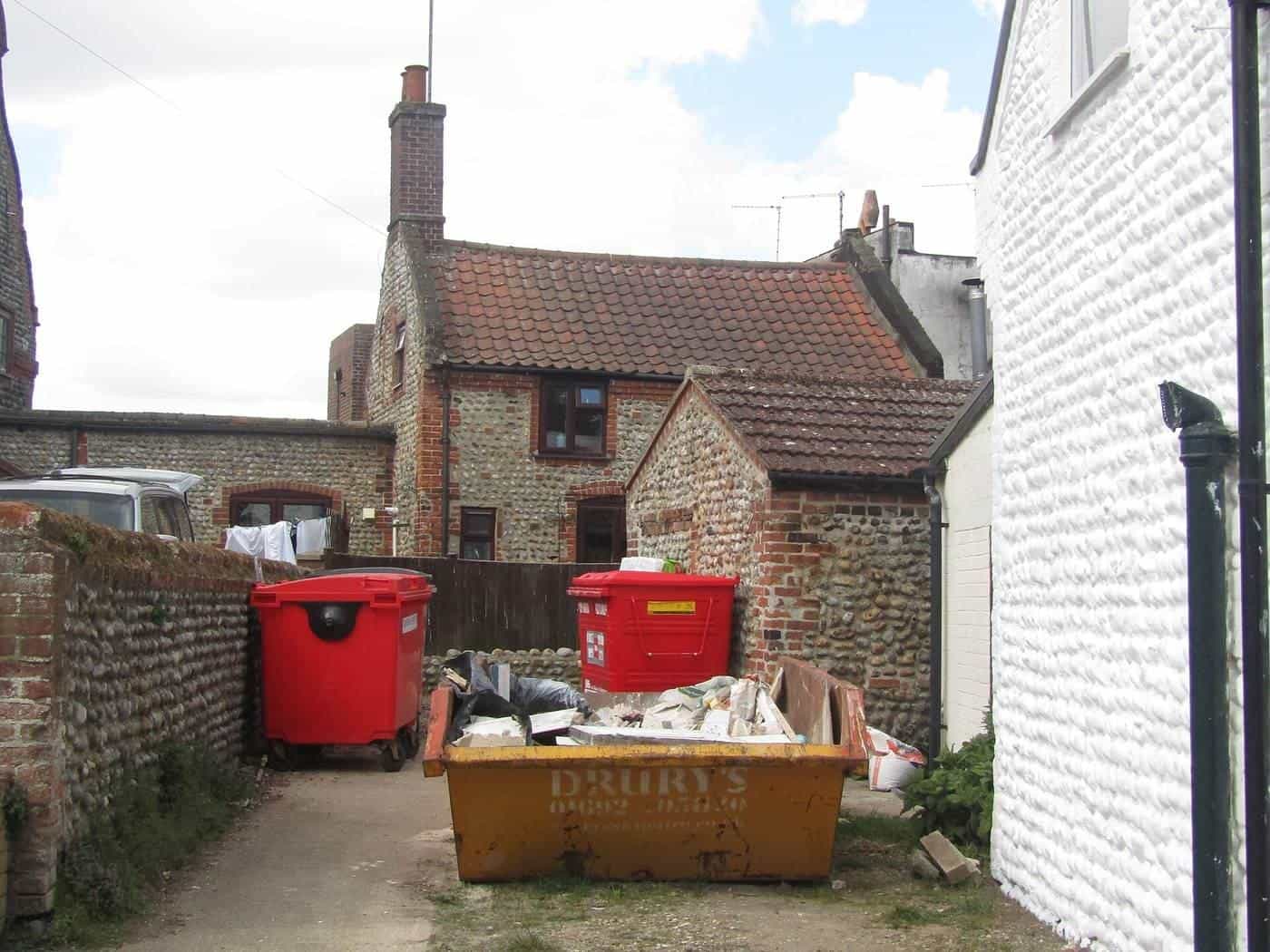
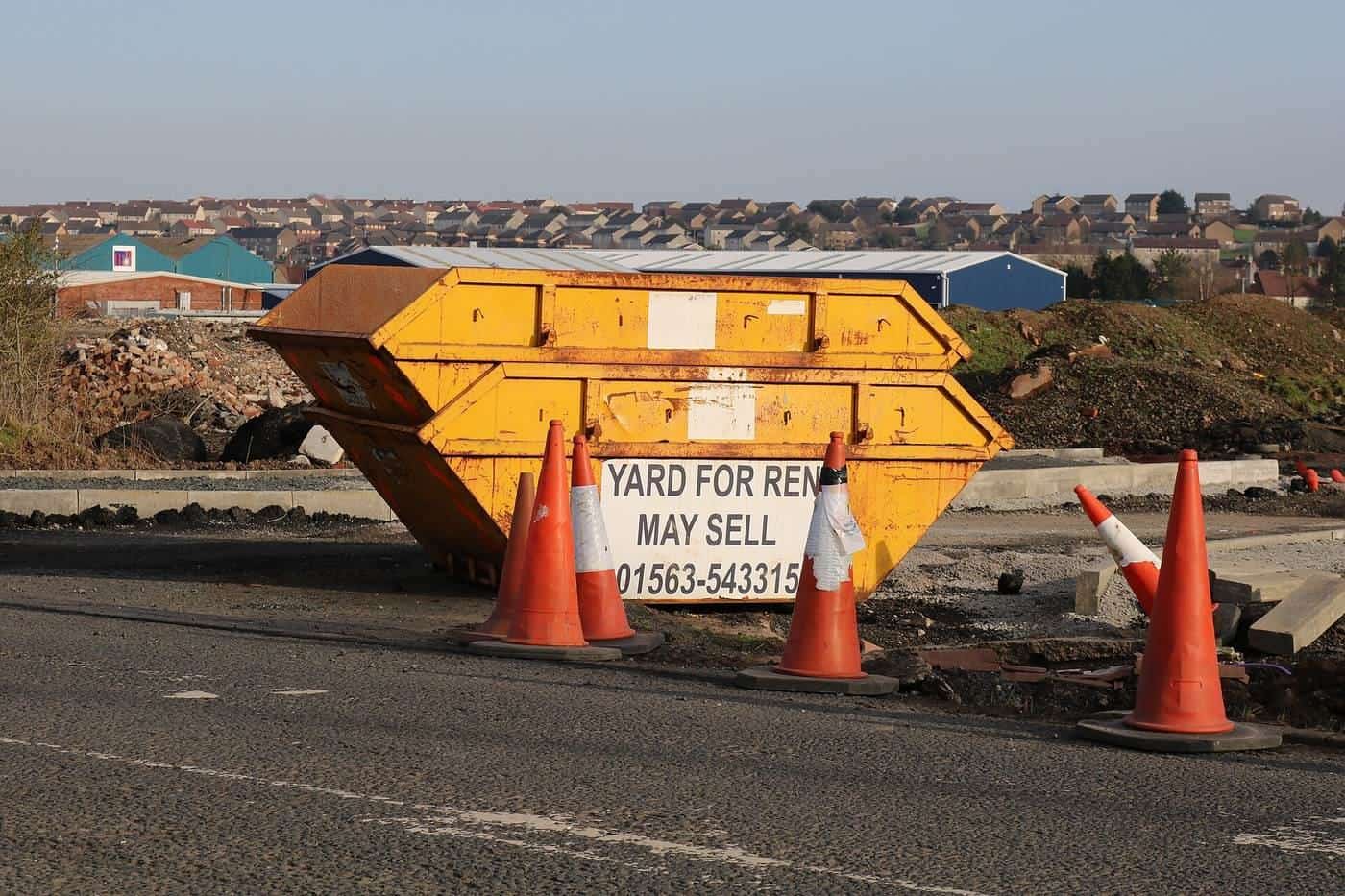
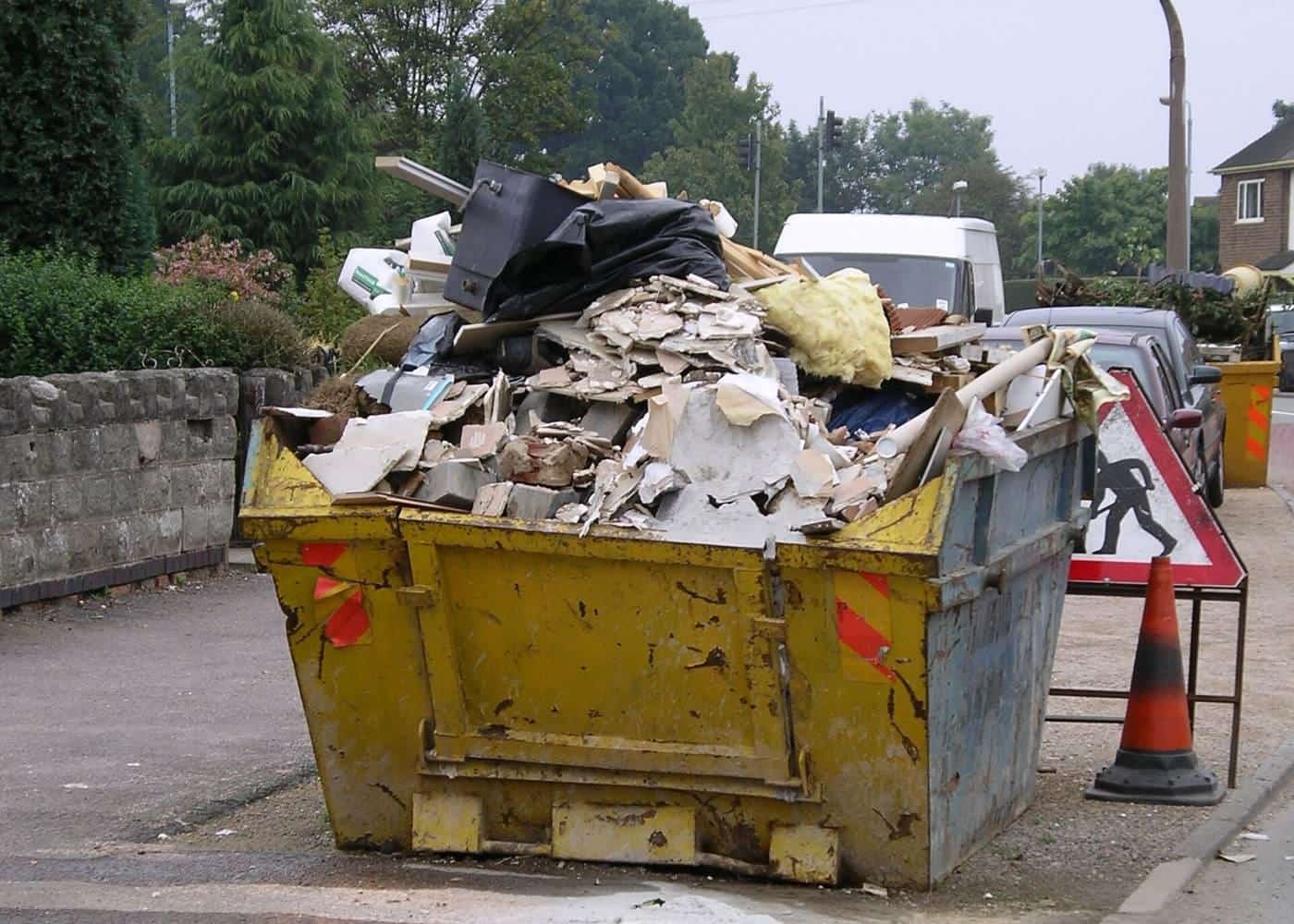
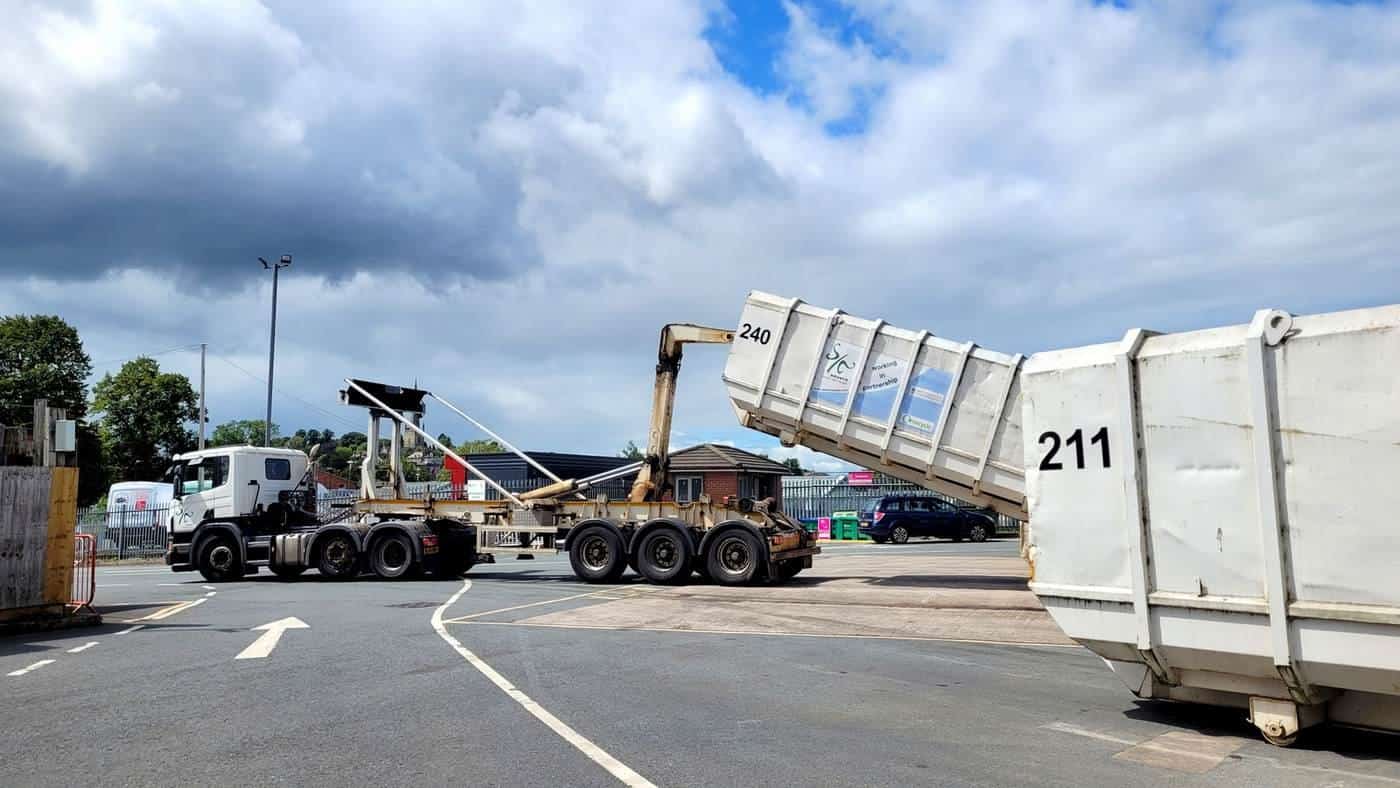
A skip bin in the driveway is a familiar sign of a renovation, a garden makeover, a move or a long-overdue clean-out. Hiring one is easy; hiring the right one, filling it with the right things, putting it in the right place and loading it without hurting yourself takes a little more know-how. Skip Bin Guide is an independent information site that explains it all in plain English. We don't hire out skips, and we base the rules we describe on official Australian sources such as council policies, the NSW EPA and SafeWork NSW.
m³
How skips are sized
Volume when filled level with the top
Pre-1990
Homes probably contain asbestos
NSW EPA
14 days
City of Sydney road exemption
Minor residential works, strict conditions
Choosing a skip
The right skip depends on how much waste you have, what it is and where the skip will go. Our choosing a skip section explains skip bin sizes and why weight limits matter, compares the main types of skip bins, weighs up skip bags against skip bins, and shows you how to estimate your waste before you book.
What goes in
Most household junk, furniture, garden waste and renovation rubble can go in a skip; some things never should. Our what goes in section sets out what you can and can't put in a skip, explains where hazardous household waste like paint, batteries and gas bottles should go, covers the strict rules for asbestos, and explains how to handle soil, concrete and heavy waste.
Permits and placement
A skip on the street often needs council approval, and every skip needs a safe spot. Our permits and placement section explains when you need a skip bin permit, with real council examples, how to choose a spot for placing a skip safely, how to go about loading a skip safely and efficiently, and how reducing and recycling waste first can mean a smaller skip.
Try the skip size estimator
Not sure what size to book? Pile up your rubbish, or picture it piled, and measure its length, width and height in metres. Our free estimator multiplies them to get the volume, adds a simple allowance for how loosely that type of waste packs into a skip, and suggests a size to ask your provider about. If you choose heavy waste such as soil, bricks or concrete, it reminds you that weight limits usually matter more than volume. It's a planning guide only: sizes, shapes, weight limits and accepted waste vary between providers.
A few principles
Sort before you hire. Sell, donate and recycle what you can, and take problem wastes to the right drop-off. In NSW, Community Recycling Centres take paint, batteries, gas bottles, oils and more free in household quantities.
Never put asbestos in a general skip. The NSW EPA says asbestos waste can only go to a landfill licensed to accept it. Have suspect materials in older homes checked before you start.
Mind the weight. Soil, bricks, concrete and tiles reach weight limits long before the skip is full. Use a heavy-waste skip and keep below the fill line.
Keep it level. Most providers won't collect an overfilled skip.
Check your council's rules. Skips on the road often need approval, and footpaths are generally off-limits.
Look after your back. Safe Work Australia notes that lifting heavy or awkward loads can cause injuries. Use walk-in doors, ramps, barrows and helpers.
Who we are
Skip Bin Guide is written for home owners, renters and DIY renovators across Australia. We write every guide in our own words and list our sources on each page. We never invent statistics, prices or testimonials, and we don't rank skip companies. We're not affiliated with any skip bin company, waste contractor or council, or with any previous operator of this domain. Read more about us and our editorial policy.