A skip seems like a magic solution: throw everything in and it disappears. In reality, everything in a skip has to go somewhere, usually a sorting facility, recycler or landfill, and some materials are dangerous to handle or illegal to dispose of that way. That's why skip providers have lists of accepted and banned items, and why councils add their own conditions for skips on public land. This guide explains what's usually allowed and where the rest should go.
Hazardous
Not in skips on public land
Inner West and City of Sydney conditions
Free
NSW problem waste drop-off
Community Recycling Centres, household quantities
Asbestos
Licensed landfill only
NSW EPA
Every provider is different
There's no single national list of what can go in a skip. Each provider sets its own conditions based on where it takes the waste, its licences and the type of skip. Councils add rules for skips on public roads. Always read your provider's list when you book, and ask if you're unsure about anything. This guide describes the common pattern.
Usually accepted
Most general-waste skips accept:
- household junk: broken toys, old homewares, clothing, books and general clutter;
- furniture: tables, chairs, cupboards, shelving and outdoor furniture (some charge extra for mattresses and sofas);
- garden waste: branches, prunings, leaves, grass and small stumps (some providers prefer it separate);
- timber: untreated and some treated timber, offcuts, old decking and fencing (check treated timber rules);
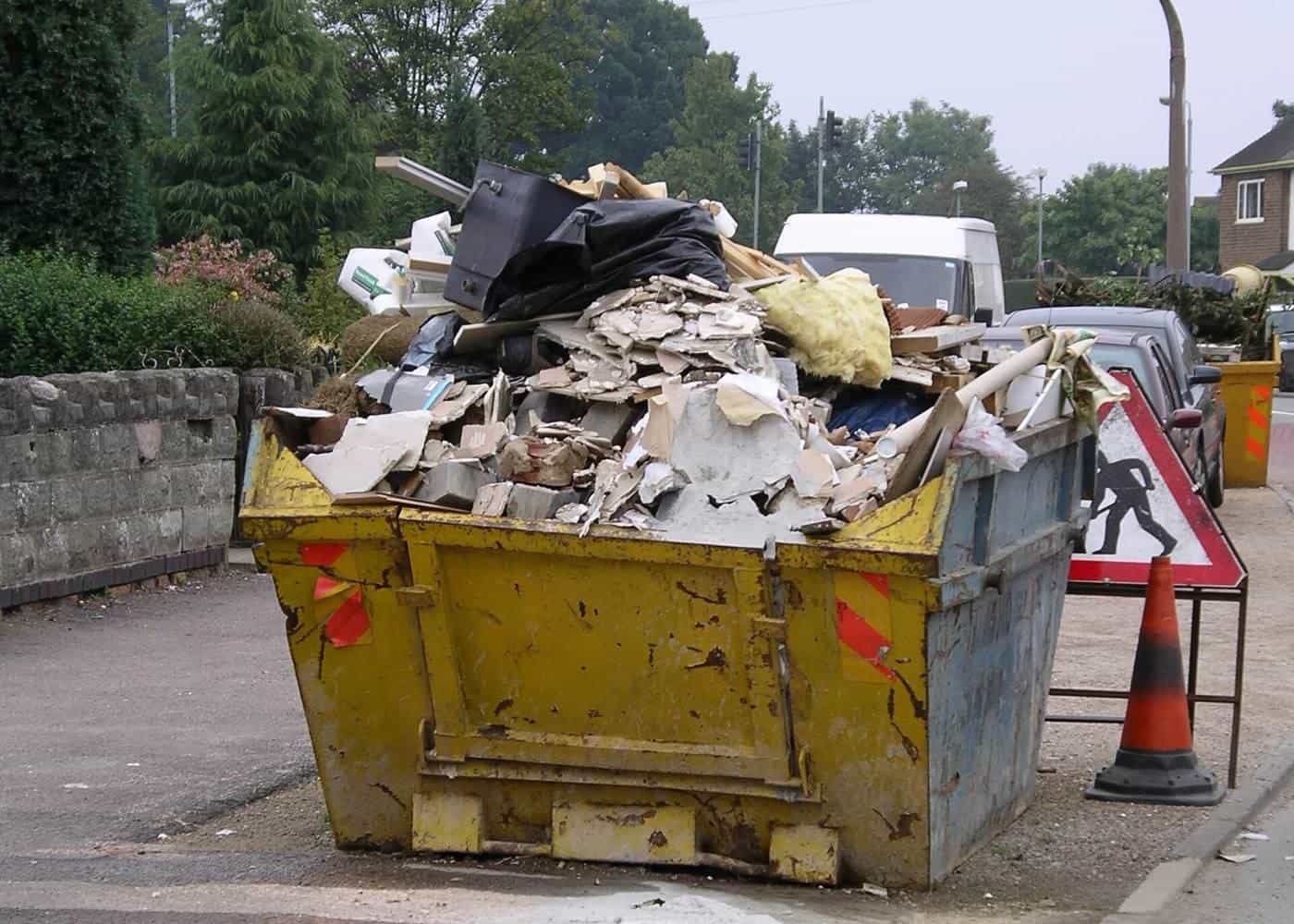
- renovation waste: plasterboard, tiles, bricks, concrete and rubble (often in heavy-waste skips);
- metal: old frames, pipes and sheeting;
- cardboard and paper, though these are better recycled through your council bin;
- plastics like old outdoor furniture, toys and buckets.
Usually banned or restricted
Providers and councils commonly ban or restrict:
| Item | Why | Where it can go instead |
|---|---|---|
| Asbestos | Serious health risk | Licensed removalist and licensed landfill |
| Paint, solvents and chemicals | Toxic, flammable | Community Recycling Centres, Household Chemical CleanOut (NSW) |
| Gas bottles | Explosion risk | Community Recycling Centres (NSW), gas bottle exchange |
| Batteries, including car batteries | Fire and toxic risk | Community Recycling Centres (NSW), battery drop-off points |
| Motor and other oils | Pollution | Community Recycling Centres (NSW) |
| Fluorescent globes and tubes | Contain mercury | Community Recycling Centres (NSW) |
| Smoke detectors, fire extinguishers | Special handling | Community Recycling Centres (NSW) |
| Food and other putrescible waste | Odour, pests | Council bins, compost |
| Tyres | Often banned or charged | Tyre retailers, council facilities |
| Electronic waste | Recyclable, some states restrict landfill | E-waste drop-off programs |
| Liquids | Leak during transport | Appropriate disposal for the liquid |
Councils' conditions back this up. Inner West Council's skip bin conditions state that food waste, dangerous or hazardous waste must not be placed in any bin on public land. City of Sydney's policy says skips placed on the road under its exemption must not be used for commercial waste, putrescible waste or hazardous material.
Problem wastes: where to take them in NSW
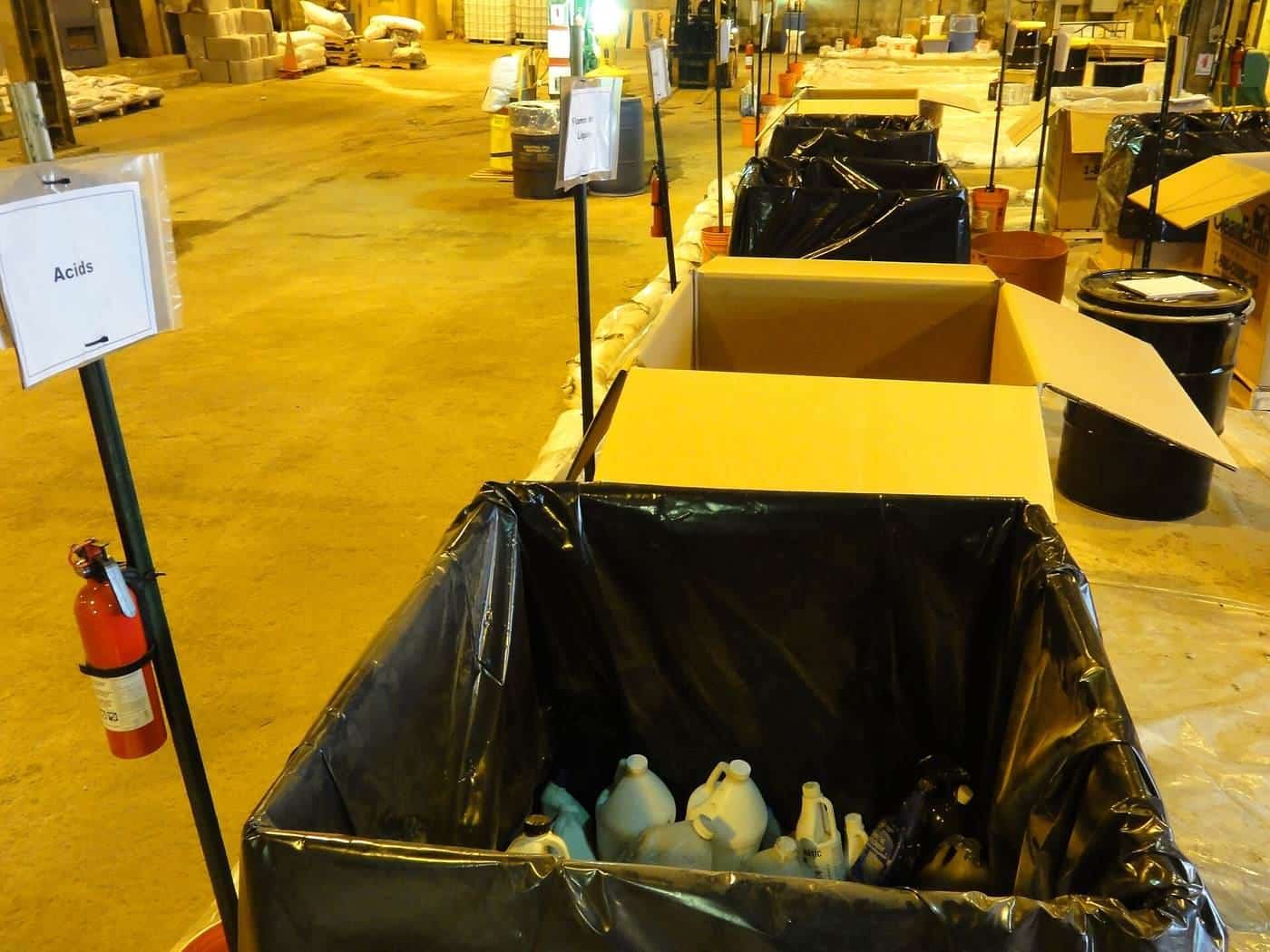
The NSW EPA describes Community Recycling Centres as permanent drop-off centres for common household problem wastes that can't go in kerbside bins. They accept, free of charge, in household quantities:
- paint;
- motor oils and other oils;
- household batteries and car batteries;
- gas bottles;
- smoke detectors;
- fire extinguishers;
- fluorescent globes and tubes.
As a guide, the EPA says household quantities means a maximum container of 20 litres or 20 kilograms for each waste type. Household chemicals such as cleaners, pool chemicals and pesticides go to Household Chemical CleanOut events, which are held at locations around NSW on set dates. Other states and territories have similar programs; check your state environment agency or council.
See our guide to hazardous household waste for more.
Asbestos
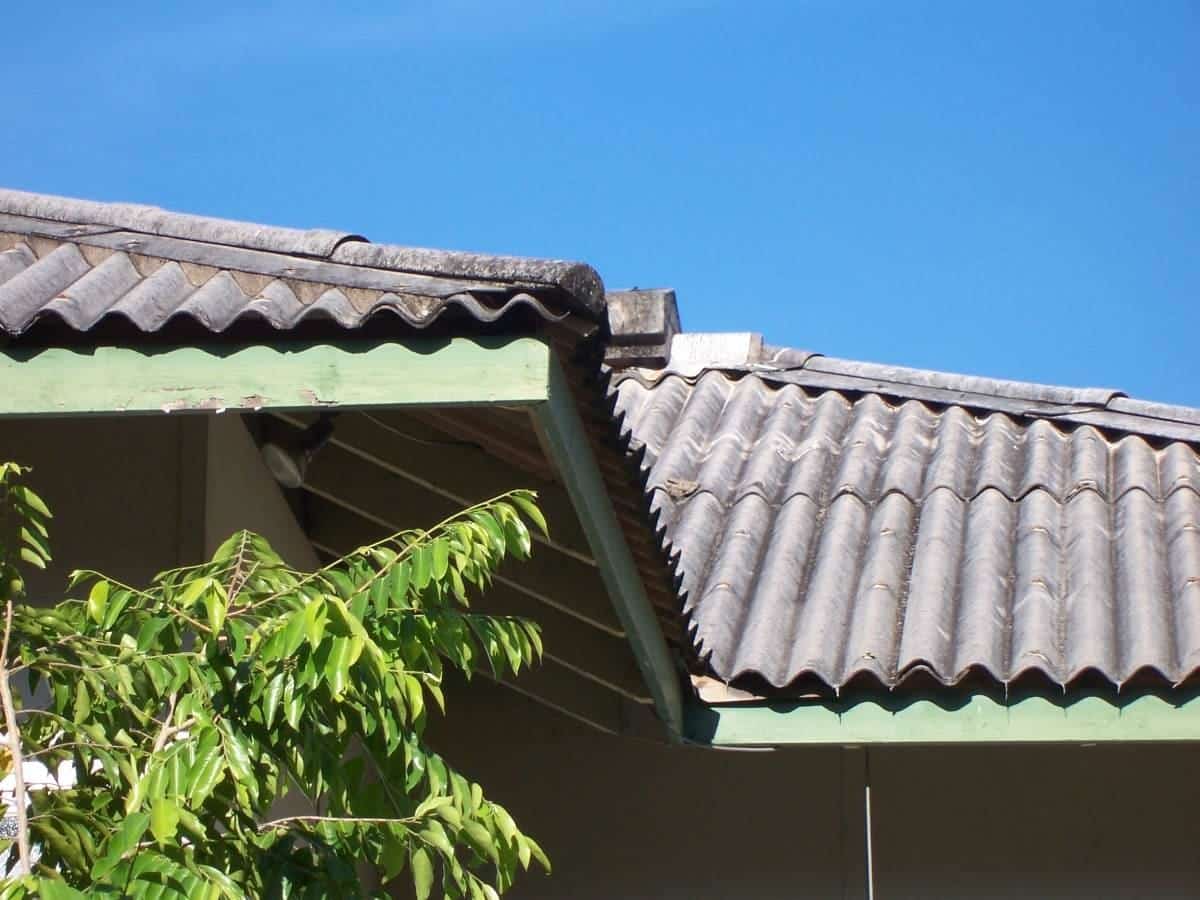
Asbestos needs special mention, because it's common in older Australian homes and dangerous when disturbed. The NSW EPA says that if your house was built before 1990, it probably contains asbestos materials. Asbestos waste can only be disposed of at a landfill licensed to accept it, and some removal work must be done by a licensed removalist. It must never go in a general skip. Read our asbestos guide before you renovate.
Heavy waste
Soil, bricks, concrete, tiles and rock are usually accepted, but often only in heavy-waste skips with fill lines, and some providers want them kept separate from general waste. See soil, concrete and heavy waste.
Mattresses, tyres and other extras
Some items are accepted but attract extra charges, because they're bulky or must be handled separately for recycling. Mattresses, tyres, sofas and large appliances are common examples. Ask your provider when you book. Your council may also offer collection or drop-off options for these items.
What happens if you get it wrong
If a provider finds banned items in your skip, it may refuse to collect it until they're removed, remove them and charge you under its terms, or, for serious cases like asbestos, report it to the authorities. More importantly, hazardous items can injure drivers and workers at sorting facilities, and contaminate loads that would otherwise be recycled.
Also keep an eye on your skip if it's on the street. Other people sometimes add their own rubbish. Inner West Council's conditions make the permit holder responsible for removing any waste deposited in or around the bin.
Before you fill
- Ask your provider for their accepted and banned items list.
- Separate hazardous and problem wastes and take them to the right facility.
- Set aside reusable and recyclable items. See reducing and recycling waste.
- Check for possible asbestos before breaking up old building materials.
- Tell the provider about heavy waste, mattresses or tyres when booking.
Grey areas to ask about
Some items fall into grey areas, and providers' answers vary:
- Treated timber, such as old CCA-treated pine decking or garden edging;
- Plasterboard, which some facilities want separated;
- Carpet and underlay, which can be heavy when wet;
- Large appliances, especially fridges and air conditioners that contain refrigerant gases;
- Small electronics, which may be recyclable through e-waste programs;
- Green waste mixed with soil, which may need a heavy-waste skip;
- Concrete with steel reinforcing, which some recyclers accept and others don't.
If you're unsure, ask before it goes in. It's much easier to set an item aside than to dig it out of a full skip.
Keeping a list
As you sort, keep a simple list of anything you're unsure about and check it with your provider in one phone call or email. It saves second-guessing at the skip and avoids surprises on collection day.
Key points
- Most junk, furniture, garden waste and renovation waste can go in a skip.
- Asbestos, chemicals, paint, gas bottles, batteries, oils and food waste usually can't.
- In NSW, Community Recycling Centres take many problem wastes free in household quantities.
- Council conditions ban hazardous and food waste in skips on public land.
- Check your provider's list before booking and filling.
Frequently asked questions
Can I put paint in a skip?
Generally no. Paint is a problem waste. In NSW, householders can drop off paint free at Community Recycling Centres, in household quantities. Other states have similar programs.
Can I put a mattress in a skip?
Many providers accept mattresses but may charge extra, because they're bulky and often recycled separately. Ask when you book, and check whether your council offers mattress collection or recycling.
Can asbestos go in a skip?
Not in a general skip. In NSW, asbestos must go to a landfill licensed to accept it, and some amounts must be removed by a licensed removalist. See our asbestos guide.
Can I put food waste in a skip?
Usually not. Councils such as Inner West state that food waste, dangerous or hazardous waste must not be placed in skips on public land, and providers commonly exclude putrescible waste.
What happens if I put banned items in?
The provider may refuse to collect the skip, remove the item and charge you, or report illegal dumping. Hazardous items can also injure drivers and workers.
Sources and further reading
Facts on this page were checked against these primary and official sources. Conditions change — confirm before you travel or buy.
- Community Recycling Centres — NSW Environment Protection Authority
- Dealing with household asbestos — NSW Environment Protection Authority
- Skip bins — Inner West Council
- Managing Waste in Public Places – Local Approvals Policy (PDF) — City of Sydney