For a big renovation, a steel skip bin is the obvious choice. For smaller jobs, though, there's an alternative that many people overlook: the skip bag. These heavy-duty woven bags are bought, filled in your own time and collected by a crane truck. They suit some jobs very well and others not at all. This guide compares the two so you can choose the right option.
Bag
Fill at your own pace
Buy ahead, store flat, book collection when full
Bin
More capacity and strength
Better for heavy and bulky waste
Crane reach
Where bags must go
Close to the kerb, clear of overhead lines
How skip bags work
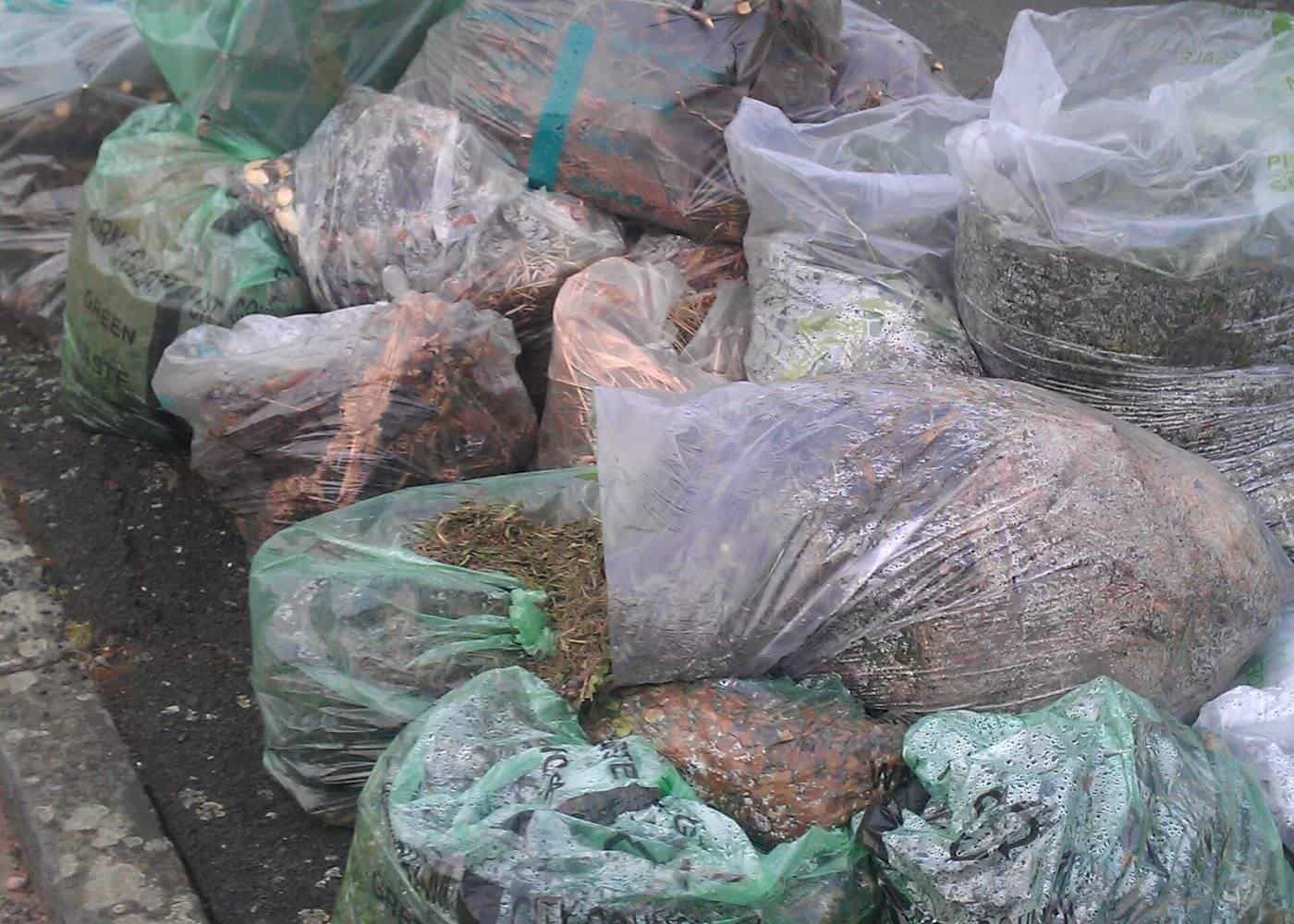
A skip bag is a large, tough woven polypropylene bag, usually with four lifting loops at the corners. You buy the bag from a hardware store or the service provider, unfold it where you want it filled and load your waste. When it's full, you book a collection. A truck fitted with a crane lifts the bag by its loops and tips the contents into the truck body.
Because the bag is light and folds flat, you can keep one on hand and fill it over days or weeks, which suits ongoing garden work or a slow clean-out. There's no delivery to schedule and no hire period ticking down while you work.
How skip bins work
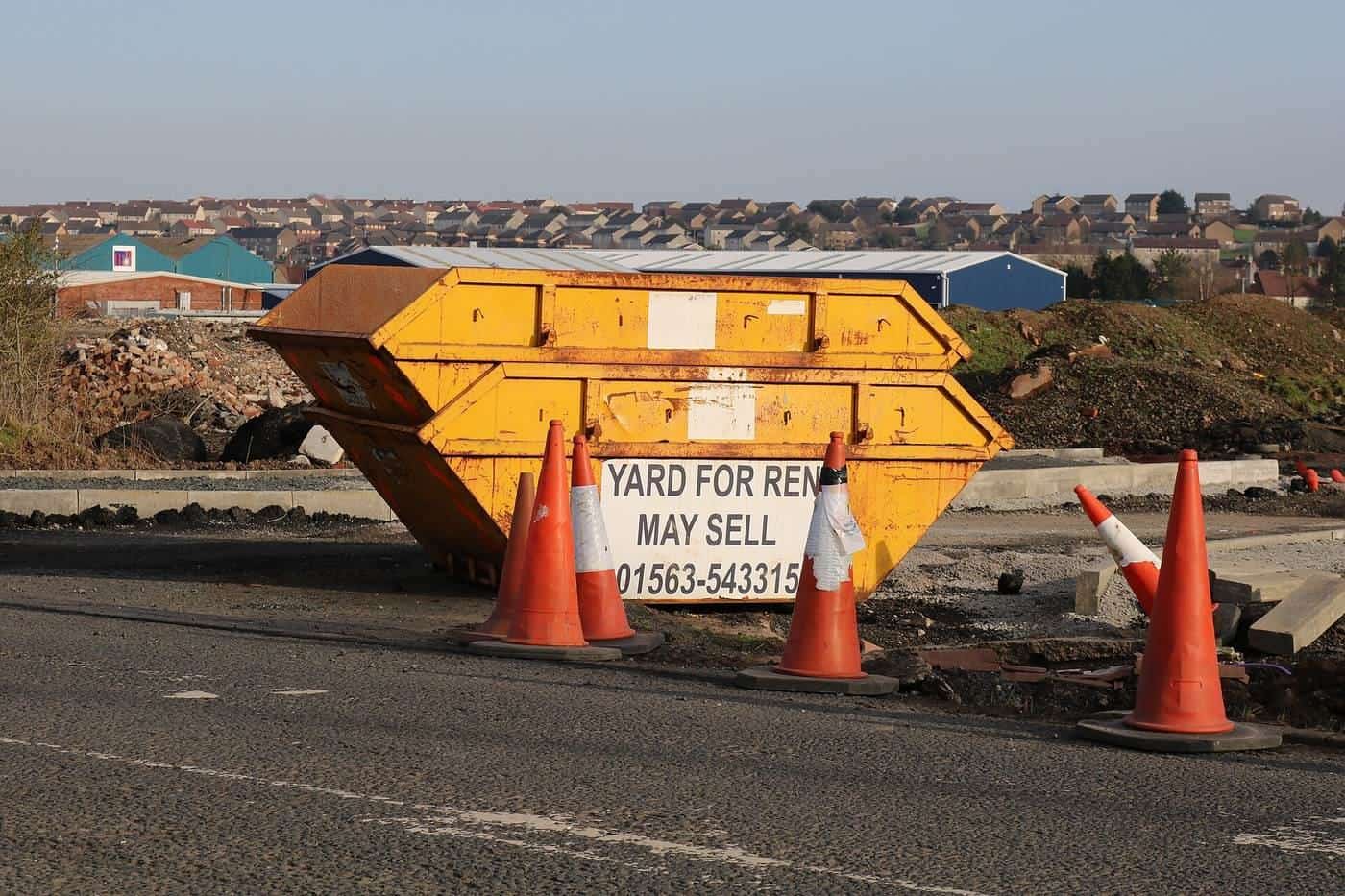
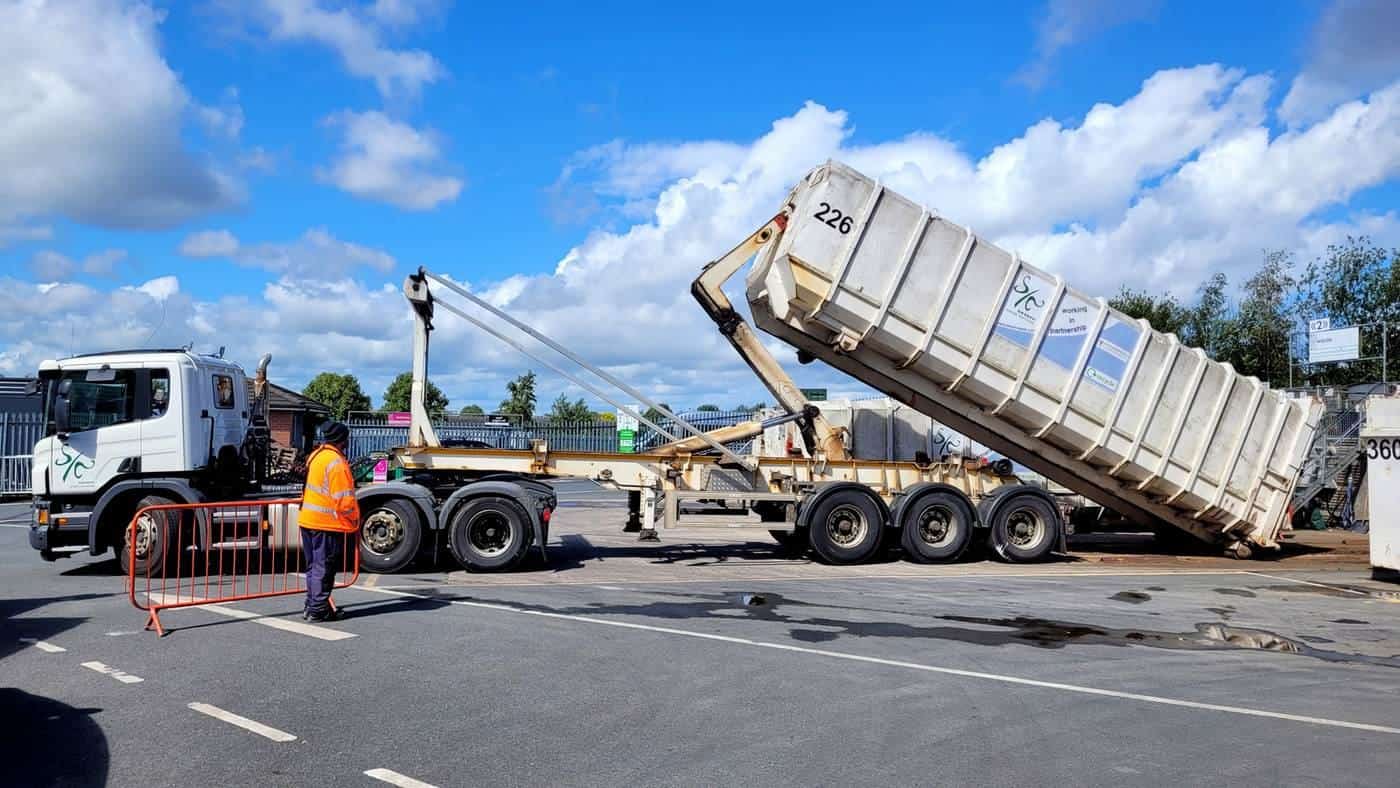
A skip bin is a steel container delivered by truck and collected at the end of an agreed hire period. You book a size, the provider drops it off, you fill it, and they pick it up. Skips come in a wide range of sizes and types, from small mini skips to large hook-lift bins. See types of skip bins.
Skips are stronger and more rigid than bags, so they can take heavier and more awkward waste, and the larger sizes hold far more than a bag.
Side-by-side comparison
| Skip bag | Skip bin | |
|---|---|---|
| Capacity | Small to moderate | Small to very large |
| Heavy waste | Often limited or excluded | Heavy-waste skips available |
| Timing | Fill at your own pace | Fixed hire period |
| Delivery | Buy and unfold yourself | Delivered by truck |
| Placement | Within crane reach of the truck | Where the truck can drop it |
| Space needed | Small footprint | Larger, plus truck access |
| Overhead clearance | Needed for the crane | Needed for lifting arms or tilting tray |
| Loading | Low sides, easy to throw in | Higher sides; walk-in doors on some |
When a skip bag makes sense
- Small jobs. A garden clean-up, a small shed clear-out or a modest room tidy-up.
- Slow projects. Ongoing garden work or a gradual declutter, where you don't want a hire period.
- Tight spaces. Where a steel skip and its truck won't fit, but a crane can reach over a fence or front garden.
- Light, bulky waste. Garden prunings, cardboard, old furniture and household junk.
- Protecting surfaces. A bag is gentler on pavers and lawns than a steel bin, though it can still leave marks.
When a skip bin makes sense
- Bigger jobs. Renovations, whole-house clean-outs and large garden overhauls.
- Heavy waste. Soil, bricks, concrete and tiles, which may exceed what a bag service allows. See soil, concrete and heavy waste.
- Bulky items. Large furniture, long timber and big branches that won't fit easily in a bag.
- Short, intense projects. When you'll fill it in a weekend and want it gone.
Placement rules for bags
The crane on a skip bag truck has limited reach, so placement is critical. Services usually require the bag to be:
- within a set distance of where the truck can park;
- on firm, level ground;
- clear of overhead power lines, phone lines, trees and roofs;
- not blocked by cars, fences or gates on collection day;
- with all four loops accessible and not buried under waste.
Check the provider's instructions before you start filling, because moving a full bag is close to impossible.
Placing a bag or a bin on the road or footpath is a different matter. Councils generally require approval for anything placed on public land. Inner West Council, for example, requires a skip bin user permit before a bin is placed on the road, and states it's an offence to stand a bin on any footpath or carriageway without approval. Check your council's rules for bags too. See our permits guide.
Filling either option well
- Sort first. Set aside items that can be reused, sold, donated or recycled. See reducing and recycling waste.
- Break things down. Take furniture apart, flatten boxes and cut branches into short lengths.
- Put flat items on the bottom and fill gaps with smaller items.
- Keep to the fill line. Bags and bins both have maximum fill levels for safe lifting.
- Never add banned items. Paint, chemicals, batteries, gas bottles and asbestos don't belong in either. See hazardous household waste and asbestos.
Lifting safely
Whichever option you choose, loading involves lots of lifting. Safe Work Australia notes that lifting, pushing and pulling, especially with heavy or awkward loads, repetitive movements or twisting, can cause injuries. Skip bags have low sides, which can make loading easier. With bins, ask for a walk-in door, use a ramp and barrow where possible, and get help with heavy items. Our loading guide has more tips.
Thinking about cost
We don't quote prices because they vary widely by location, provider, size and waste type. When comparing quotes, consider the whole picture: the bag or bin hire, collection, any weight or excess charges, permit costs if the bin goes on the street, and whether you'd need more than one bag to match a single skip. For heavy or mixed waste, ask specifically what's included.
Common questions about collection
How quickly will my bag be collected? It varies by provider and area. Ask about typical collection times when you buy the bag, especially if it's taking up space you'll need.
What if the bag is overfilled? Like skips, bags have a maximum fill level, often marked on the bag. Overfilled or overweight bags may not be lifted. Remove the excess before collection.
Can the bag be reused? Some services reuse bags; others leave you the empty bag or take it away. Check the terms.
What if the crane can't reach? Collection may fail and you may be charged for a return trip. That's why choosing the spot before filling matters so much.
Combining the two
For some jobs, both work together: a steel skip for the heavy renovation waste, and a skip bag for the slow garden clean-up that follows. Use each for what it does best.
Key points
- Skip bags suit small, light, slow jobs and tight spaces within crane reach.
- Skip bins suit bigger jobs, heavy waste and bulky items.
- Bags must be placed where the crane can reach them, clear of overhead lines.
- Anything on the road or footpath generally needs council approval.
- Sort and recycle first, keep to fill lines and never add hazardous waste.
Frequently asked questions
What is a skip bag?
A heavy-duty woven bag, usually with lifting loops, that you fill with waste and that's collected by a truck fitted with a crane. You typically buy the bag and book a collection when it's full.
Can I put soil or concrete in a skip bag?
Many skip bag services limit or exclude heavy waste, because the bag and crane have weight limits. Check the conditions before filling a bag with soil, rubble or concrete.
Where should I place a skip bag?
Somewhere the collection truck's crane can reach, usually close to the kerb on your property, on firm ground and clear of power lines, trees and structures. Check the service's placement rules.
Do skip bags need a council permit?
If the bag is on your property, usually not. Placing anything on the road or footpath generally requires council approval, so check with your council before putting a bag on public land.
Is a skip bag better for the environment?
Not necessarily. What matters most is how much waste is sorted and recycled. Separate recyclables, green waste and reusable items whichever option you choose.
Sources and further reading
Facts on this page were checked against these primary and official sources. Conditions change — confirm before you travel or buy.
- Skip bins — Inner West Council
- Community Recycling Centres — NSW Environment Protection Authority
- Lifting, pushing and pulling (manual tasks) — Safe Work Australia